
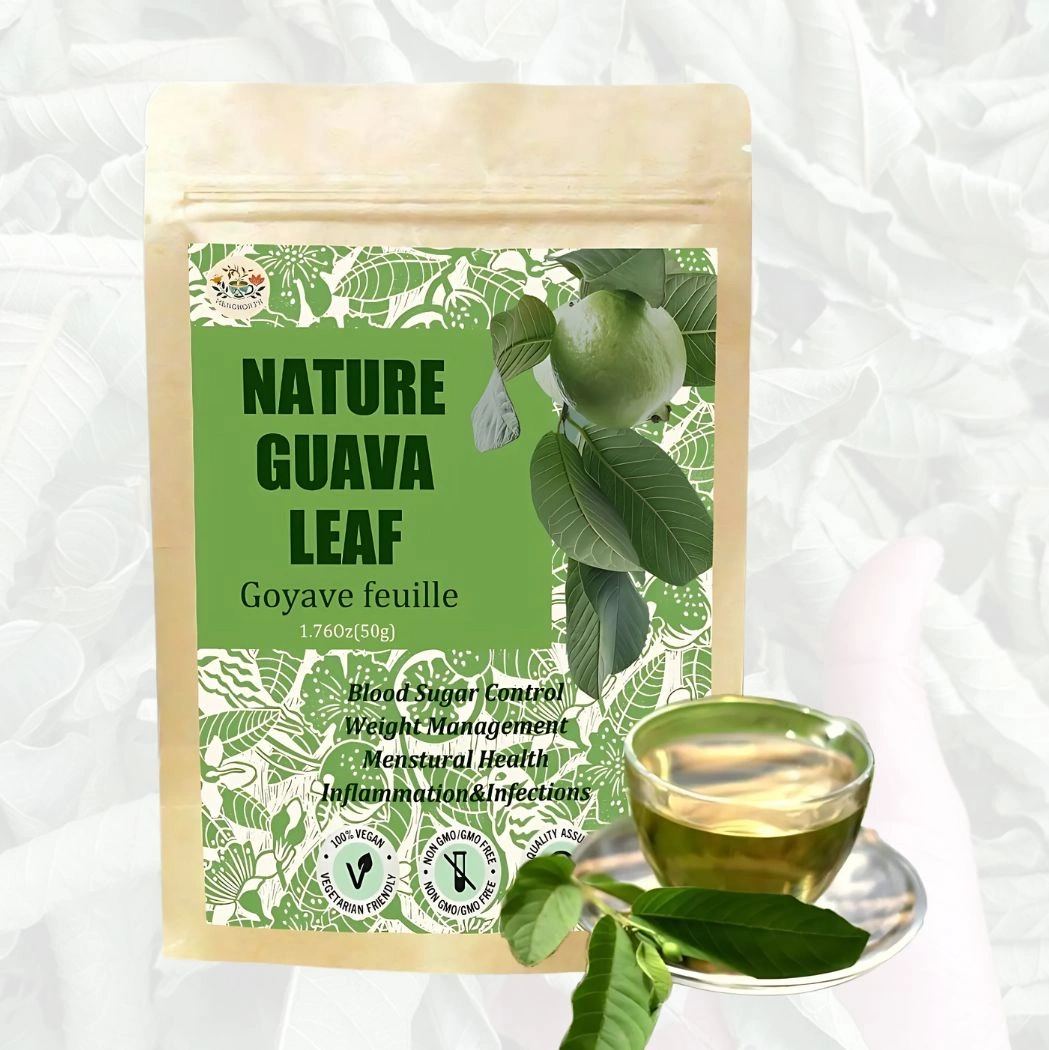


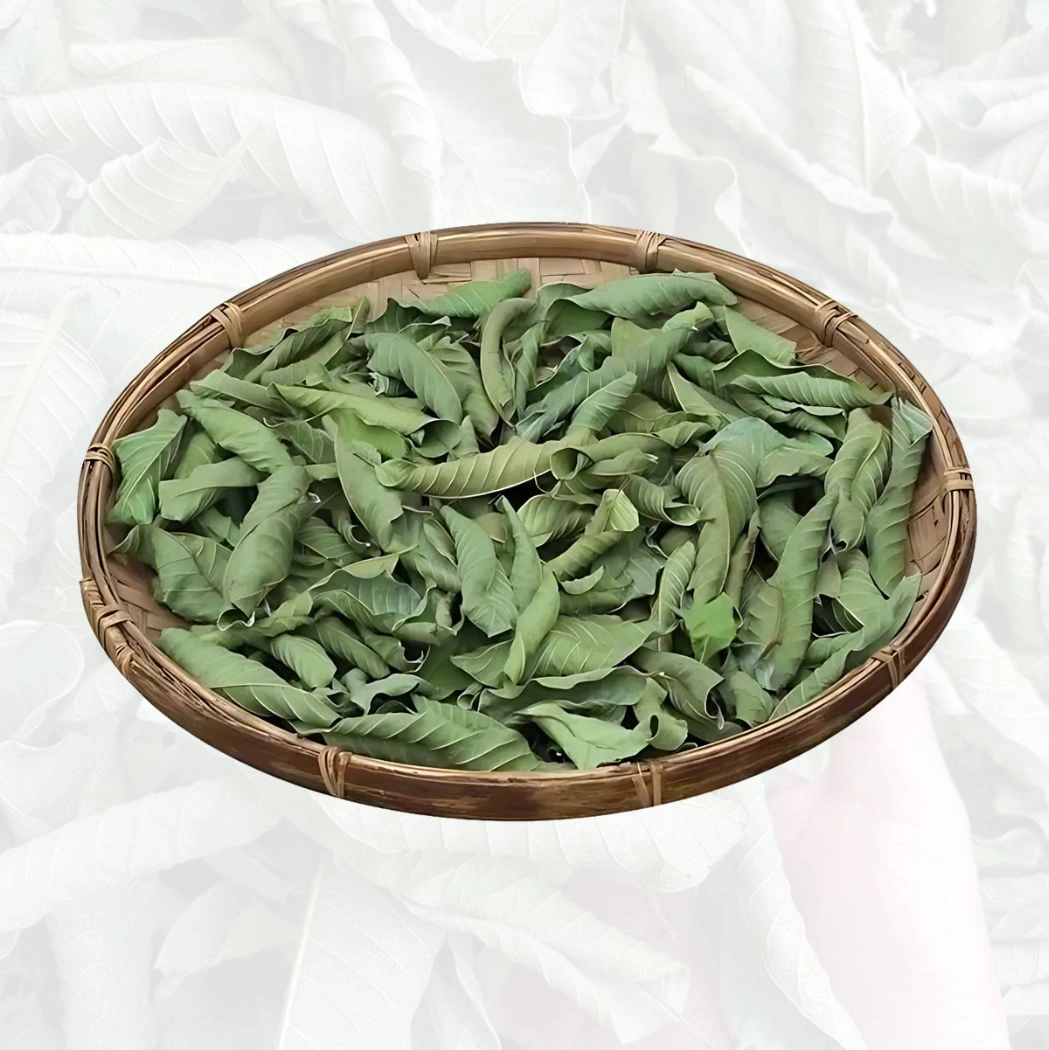
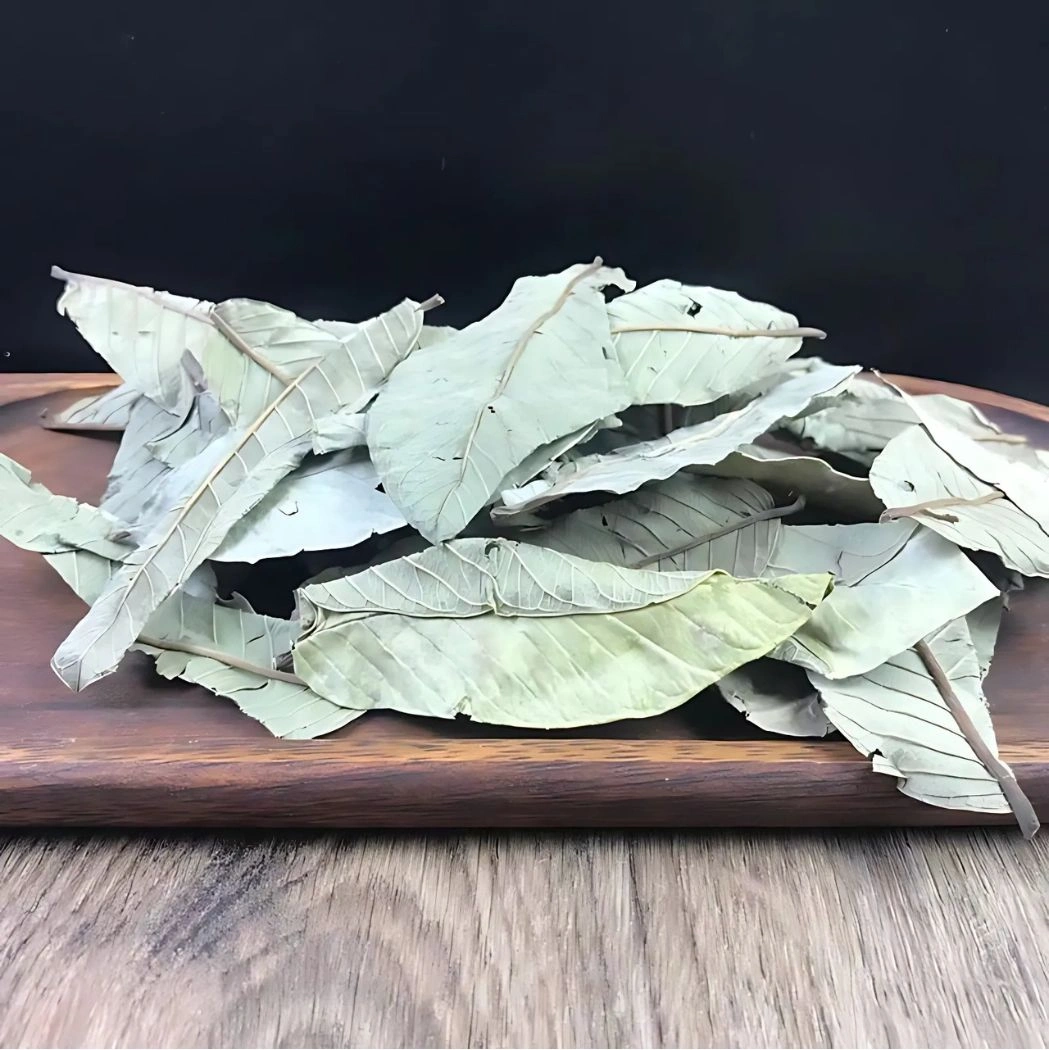
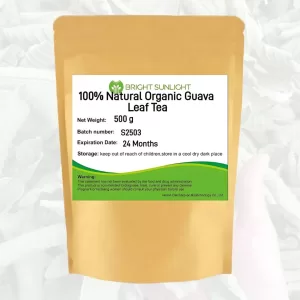

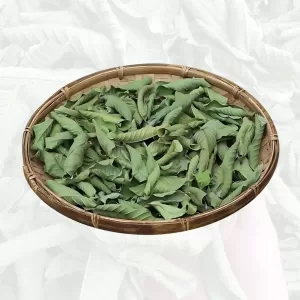
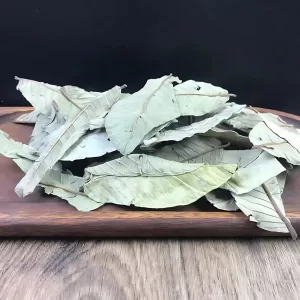
Nature Whole Leaf Air Dried Guava Leaf Herbal Tea
AED44.59
98 people are viewing this product right now
Out of stock
This product is currently unavailable
Air-dried entire leaves from nature Guava leaf herbal tea has antioxidants that can protect cells from harm. It also has anti-inflammatory and antibacterial benefits that help the immune system operate efficiently.
It is prepared from guava leaves and has a number of health benefits, such as lowering cholesterol and blood pressure to improve heart health, providing fiber to support digestion and reduce diarrhea symptoms, and helping to keep blood sugar levels stable.
Fresh Leaf: Wash, Dry, and Care
- You should always wash leaves in cool water and dry them well so that there isn’t any extra moisture that could cause them to rot.
- You may rinse the bunch under the faucet and then lay it out on paper towels to dry in a single layer.
- You should keep all of your leaves in the fridge in a plastic bag that is not sealed tightly.
- This helps the leaves stay wet in the fridge’s dry environment and keeps too much oxygen from turning them brown.
How to Prepare Guava Leaf Herbal Tea?
Always use cold, freshly drawn water to make tea. Purified and spring water are the ideal kinds of water to use. Since they don’t have a lot of impurities and other things that can change the taste of tea, a lot. Conversely, it is good for the water to include natural minerals, as these may improve the flavor of the tea. About this, you shouldn’t drink distilled water because the tea will taste flat without minerals.
Also, you should never use water that has already been heated, such as from the faucet. This water has probably been overheated, which means it has lost oxygen and picked up things that could be bad for you from the pipes. In Asia, it is common to bring water to a moderate boil before making tea. Boiling water kills a lot of harmful germs and bacteria.
Although the water is now much cleaner, cooking it this way may help bring out the taste of the tea. You should heat the water until a constant stream of air bubbles rises to the surface. The water is now hot enough and has the right amount of oxygen. On the other hand, tea can taste dull and flat if you use water that has been boiling hard and rolling.
General Tips for Making the Best Cup of Tea:
You may prepare a good cup of any herbal tea (any leaves) by following these steps. Also included are tips on how much tea to use, how long to let it steep, what temperature the water should be, and what kind of teapot to use for the most common types of tea. Of course, there are more directions for each type of tea. To learn more about how to make different kinds of tea leaves:
- Put 300 to 500 ml of cold water in a kettle and bring it to a slow boil. When the water is boiling, turn off the heat.
- Put hot water in the teapot.
- Put the right amount of leaves in the pot for each person. (1 or 4 leaves)
- If you need to, let the water cool down to the right temperature and add more leaves.
- Steep for the right amount of time. (3–6 minutes on average)
- Pour the strained liquid into another teapot or directly into the cups.
5 reviews for Nature Whole Leaf Air Dried Guava Leaf Herbal Tea
You must be logged in to post a review.








Zuhrah Aamal –
My sister recommended this guava leaf tea for its natural health benefits, and I’m glad I tried it. It has a moderate, refreshing flavor and aids with bloating and digestion. After only a few days, I felt lighter and better.
Amber Bishara –
Great support! When the package arrived, the leaves were clean and well packed. You can tell it’s pure because it dried itself. The natural and soothing smell makes it great for a calm evening tea.
Tuba Hana –
This tea is a real find! All of the leaves are clean. When I drink it after a meal, it really helps my stomach and keeps my blood sugar level steady. It doesn’t taste bitter at all; it’s light and herbal.
Juwairiyah –
My new favorite detox tea! Excellent for digestion and general wellness.
Abir Rawdha –
Very quick service! The packages were clean and properly packed. Every mask was new and full of liquid. I appreciate how easy to use and hygienic it is.