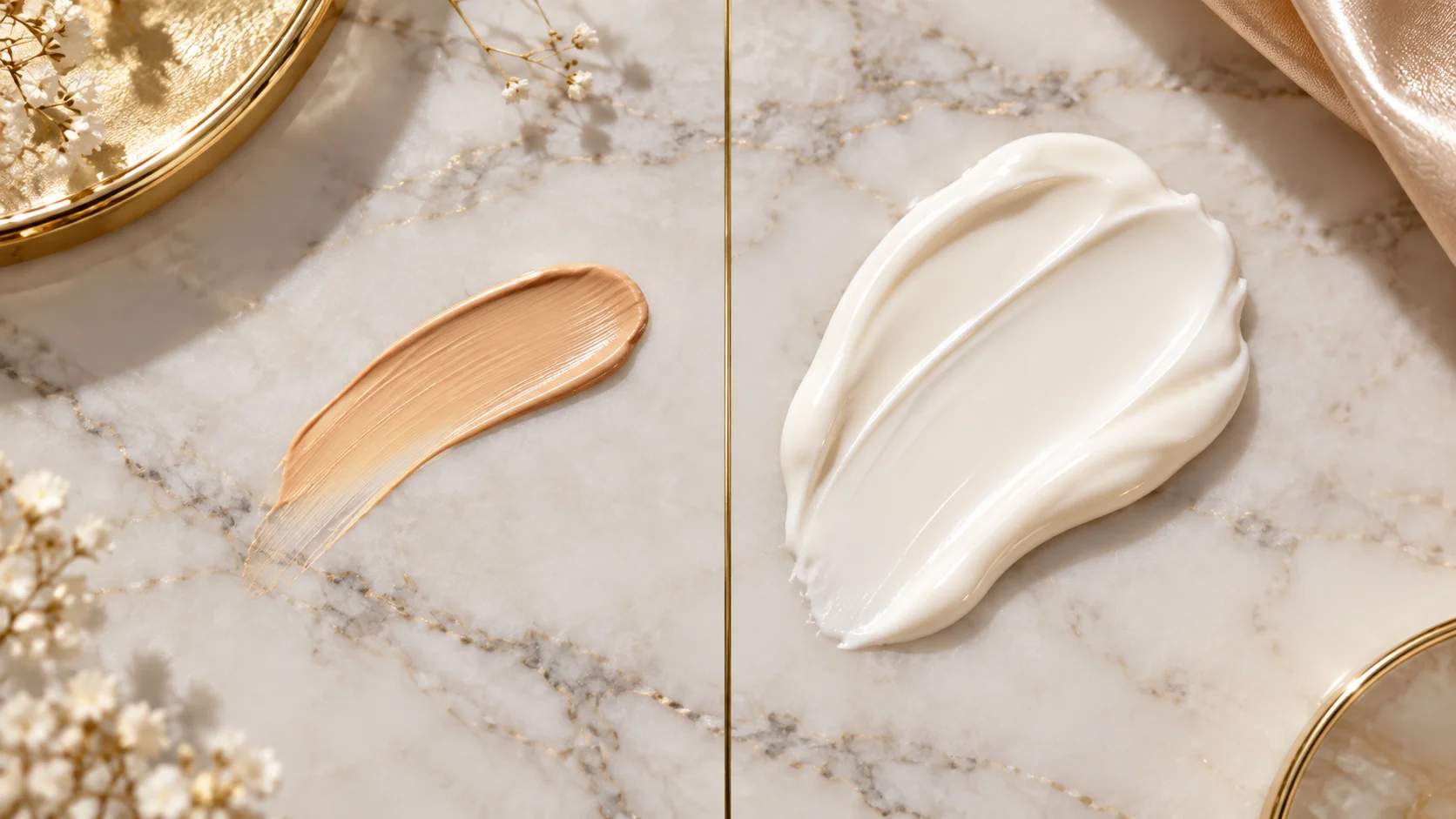
Can BB Cream Replace Sunscreen? What SPF 50 Actually Covers
An SPF 50 BB cream looks like it should be enough. The number on the label is as high as sunscreen gets, it’s one less step in your morning routine, and it gives you coverage at the same time. So can BB cream replace sunscreen? Mostly no, and the reason has less to do with the formula than with how much of it actually ends up on your face.
The honest answer: an SPF 50 BB cream can work as your only sun protection on a low-exposure day, a short commute, a day spent mostly indoors. It is not a reliable substitute for a dedicated sunscreen on a day with real outdoor time, and the gap between those two situations is wider than most people realize.
Why the SPF Number on BB Cream Is Misleading
SPF ratings are tested in a lab using a specific, generous amount of product, roughly 2 milligrams per square centimetre of skin. A well-known King’s College London study found that when sunscreen is applied the way people actually apply it in real life, far thinner than the tested amount, an SPF 50 product delivers closer to 40% of its labelled protection.
That’s for a product people are already applying as sunscreen, with sunscreen amounts in mind. BB cream gets applied even more thinly, a small amount blended for coverage and finish rather than a dedicated, generous layer. The SPF 50 on the label was tested at a thickness almost nobody reaches with a makeup product, which means the real protection you’re getting is meaningfully lower than the number suggests.
How Much Product Is Actually Needed for SPF 50 to Work
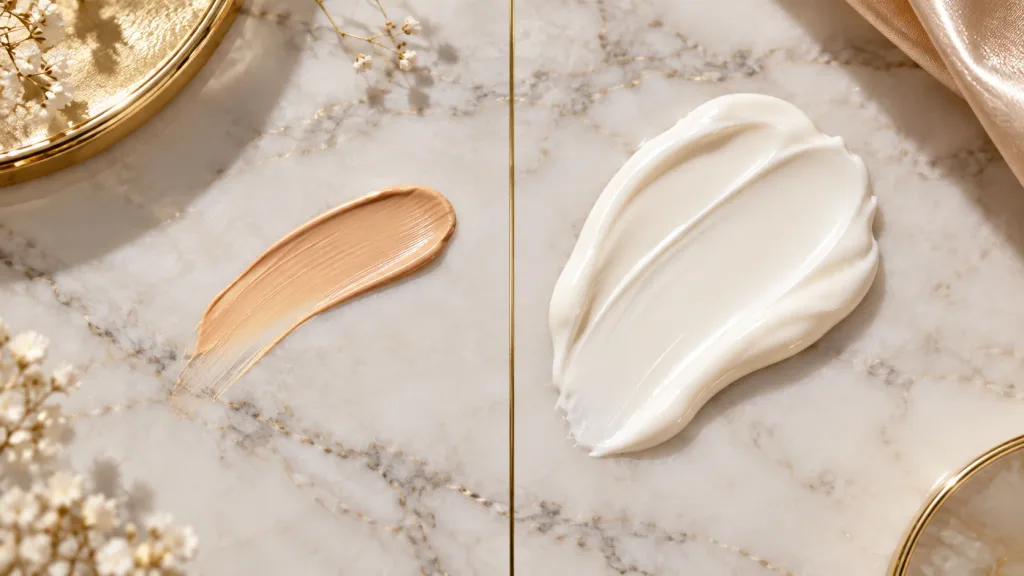
The American Academy of Dermatology recommends at least one teaspoon for the face, roughly the amount needed to cover the length of your index and middle fingers, applied as a dedicated layer. That’s a noticeably larger amount than most people use for a BB cream, which is typically applied as a thin, blendable layer specifically because a thick layer would look cakey or unnatural.
This is the core mechanical problem. A BB cream formulated and marketed to go on thin and sheer is working against the exact application thickness its SPF rating depends on. You can use the right product and still come away under-protected simply because of how it’s designed to be applied.
Does SPF 50 BB Cream Protect Against UVA and UVB Rays Effectively
This depends on whether the specific product is labelled broad spectrum, and separately, whether it carries a PA rating. SPF measures UVB protection, the rays mainly responsible for burning. UVA rays, which penetrate deeper and are the bigger driver of long-term skin ageing and pigmentation, aren’t reflected in the SPF number at all.
Korean BB creams commonly display a PA rating (PA+ through PA++++) alongside SPF, which does specifically indicate UVA protection strength, so checking for that rating tells you more than the SPF number alone. Not every BB cream on the market includes one, and a product with a high SPF but no stated UVA protection may be leaving a real gap, even at SPF 50.
The Limitations of SPF 50 BB Cream Compared to Dedicated Sunscreen
- Application thickness. Sunscreen is designed to be applied generously. BB cream is designed to be applied thin, which undercuts its own SPF rating in practice.
- Reapplication. Dermatologists recommend reapplying sunscreen every two hours outdoors. Almost nobody reapplies BB cream through the day, since doing so would mean redoing makeup entirely.
- UVA coverage isn’t guaranteed. Without a stated broad-spectrum claim or PA rating, you can’t assume a BB cream is covering the UVA side of the equation just because the SPF number is high.
- Coverage focus over protection focus. BB cream is formulated to balance tint, finish and texture alongside SPF, which means the sun protection is one of several jobs the formula is doing, not the primary one.
- Missed spots. Blending BB cream for an even, natural finish often means less product at the hairline, ears and jaw than a dedicated sunscreen application would leave, areas that still need protection.
Can an SPF 50 BB Cream Fully Replace Daily Sunscreen for Your Face
For a day with minimal outdoor exposure, mostly indoors or in a car, an SPF 50 BB cream applied properly is a reasonable baseline. For a day that includes a real commute, outdoor errands, or any extended time in direct sun, which describes most days in this region, it falls short on its own, mainly because of the application thickness and reapplication gaps covered above rather than anything wrong with the formula itself.
The honest framing: BB cream with SPF is a bonus layer of protection on top of your real sunscreen, not a replacement for it. Treating it as your only defence works until the one day it doesn’t, and sun damage from UV exposure builds cumulatively over years rather than showing up immediately.
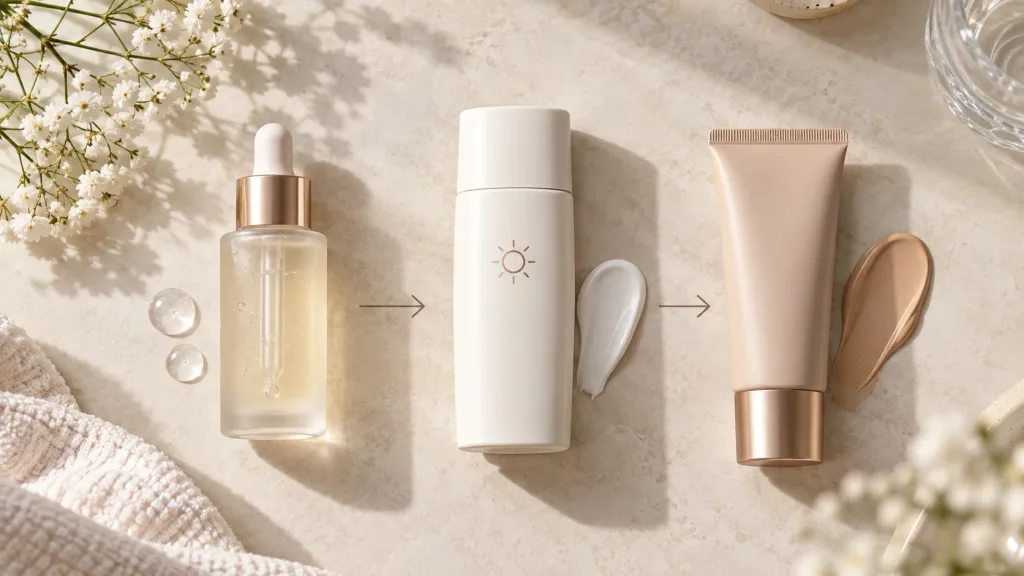
How to Layer BB Cream and Sunscreen Properly, Step by Step
- Cleanse and apply your regular skincare first, letting each step absorb before moving to the next.
- Apply a dedicated sunscreen as the last skincare step, using roughly a teaspoon for the full face, and give it a few minutes to set before makeup.
- Follow with BB cream as normal, for tint, coverage and a finishing layer, not as your main source of SPF.
- If you’re outdoors for an extended period, reapply protection with a powder sunscreen or a setting spray formulated with SPF, since reapplying liquid BB cream over makeup isn’t practical.
- At minimum, reapply sun protection every two hours during real outdoor exposure, which is where a BB-cream-only routine tends to fail hardest.
What Are the Disadvantages of Relying Solely on SPF 50 BB Cream for Sun Protection
Beyond the application and reapplication gaps already covered, relying on BB cream alone tends to mean inconsistent protection day to day, since how thick or thin you apply it varies with your mood about coverage that day rather than a fixed, measured amount. It also means missing the broader benefits a dedicated sunscreen often includes, like water resistance ratings for sweat and humidity, which matter in this climate specifically.
The cumulative risk here isn’t about one under-protected day, it’s about years of consistently applying less protection than you think you’re getting, which is exactly the gap the King’s College London research points to.
Possible Side Effects and Precautions
Most BB creams and sunscreens are well tolerated, but anyone with very sensitive or reactive skin should patch test a new formula before applying it to the full face. If you’re on medication that increases photosensitivity, have a diagnosed skin condition, or are pregnant or breastfeeding and checking on specific sunscreen filters, speak with a doctor or dermatologist rather than assuming any SPF product is automatically appropriate for your situation.
The American Academy of Dermatology has further guidance on correct sunscreen application amounts and reapplication timing.
FAQs
Can SPF 50 BB cream fully replace regular sunscreen in daily skincare? Only on very low-exposure days. On most days, particularly with real outdoor time, the thin application and lack of reapplication mean it delivers meaningfully less protection than its SPF number suggests, so it works better layered on top of a dedicated sunscreen.
Can an SPF 50 BB cream fully replace daily sunscreen for face? Not reliably. Applying enough BB cream to match a proper SPF 50 sunscreen layer would look cakey, which is exactly why most people under-apply it and come away under-protected without realizing it.
What are the limitations of using SPF 50 BB cream compared to dedicated sunscreens? The main gaps are application thickness, lack of reapplication through the day, inconsistent UVA coverage unless the product states broad spectrum or carries a PA rating, and less even coverage across areas like the hairline and jaw.
What are the disadvantages of relying solely on SPF 50 BB cream for sun protection? Protection becomes inconsistent day to day based on how much you apply, UVA coverage isn’t guaranteed without a stated rating, and the cumulative effect of under-protection over months and years is the real risk, not any single day.
Does SPF 50 BB cream protect against UVA and UVB rays effectively? SPF covers UVB specifically. UVA protection depends on whether the product is labelled broad spectrum or carries a PA rating, so check for that rating rather than assuming a high SPF number alone covers both.
Layer It Properly, Don’t Choose Between Them
Can BB cream replace sunscreen? For most days with any real outdoor exposure, not reliably, mainly because of how thin it’s applied and how rarely it gets reapplied, not because the SPF itself is fake. Treat BB cream as a finishing layer on top of a proper sunscreen application, check for a broad-spectrum or PA rating if UVA coverage matters to you, and reapply protection separately if you’re outdoors for more than a couple of hours.
Browse the skin care range at Vampire Glow or explore the makeup edit to build a layering routine that actually holds up, delivered across Saudi Arabia, the UAE and the wider GCC.

About author