Beauty of Joseon vs COSRX Which Is Better | Comparison Guide
Beauty of Joseon vs COSRX: Which Korean Skincare Brand Is Better?
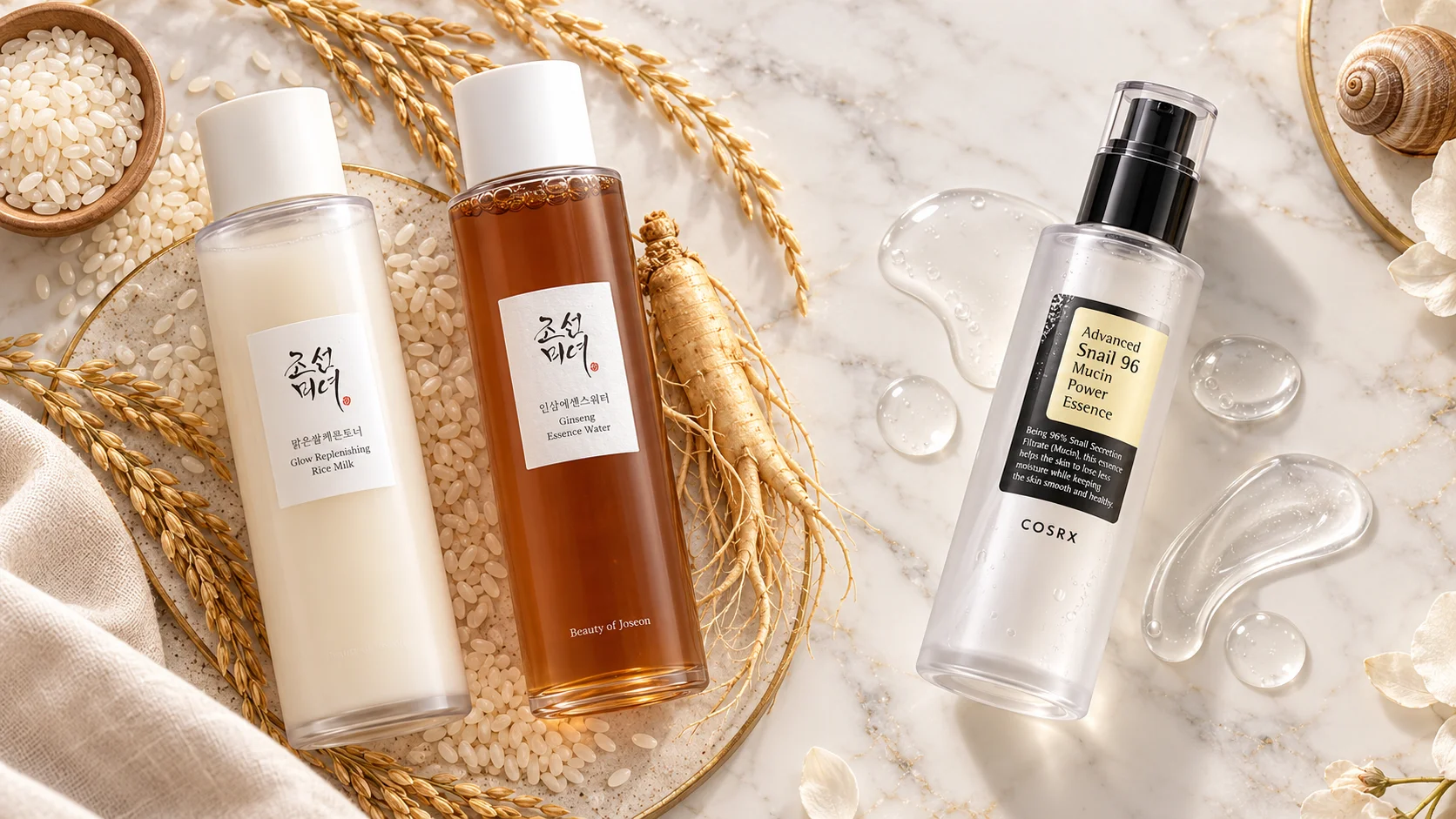
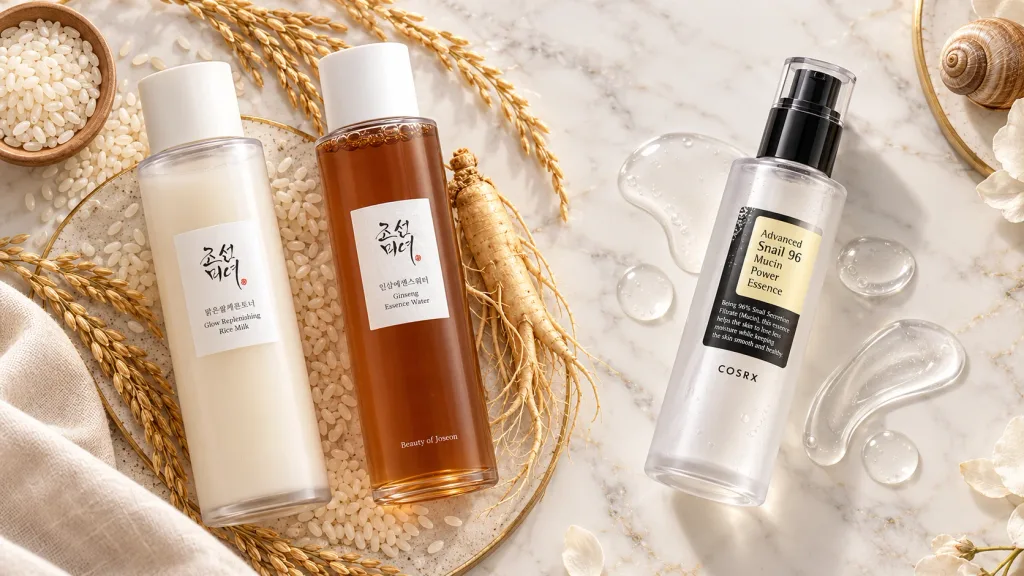
Ask anyone deep into K-beauty and you’ll hear both names within the first minute: Beauty of Joseon and COSRX. When people search Beauty of Joseon vs COSRX which is better, they’re usually trying to decide between two very different philosophies, not two versions of the same product.
Beauty of Joseon builds its identity around hanbang, traditional Korean herbal medicine, with rice and ginseng as its signature ingredients. COSRX leans into a more clinical, dermatologist-influenced approach, with snail mucin and targeted actives as its calling card. Neither is objectively better. The right one depends on what your skin actually needs.
What Is Beauty of Joseon
Beauty of Joseon is a Korean brand built on hanbang principles, using ingredients drawn from traditional herbal remedies. Rice, ginseng, and hanji mulberry root show up throughout the range, chosen for their long history in Korean skincare rather than as a passing trend.
The formulas tend to be gentle and multi-purpose, often combining hydration with a light brightening effect. This makes the brand a comfortable entry point for people newer to Korean skincare, or anyone who wants a routine that feels less clinical and more rooted in tradition.
What Is COSRX
COSRX takes a more clinical, minimalist approach. The brand became globally known for its snail mucin line, and it’s built a reputation on targeted, single-ingredient-focused formulas rather than elaborate blends.
Where Beauty of Joseon leans traditional, COSRX leans dermatological. Expect concentrated actives, straightforward ingredient lists, and a focus on specific concerns like acne, hydration, or barrier repair rather than a broad, do-everything formula.
Who Should Choose Which
If your skin responds well to gentler, more traditional formulas and you’re drawn to ingredients like rice and ginseng, Beauty of Joseon is the more natural fit. It suits dry, dehydrated, or sensitive skin looking for comfort alongside a mild brightening effect.
If you want a more targeted, ingredient-led approach, particularly for hydration through snail mucin or acne-prone skin needing gentle actives, COSRX’s clinical positioning tends to appeal more. Combination and oily skin often gravitate toward this style of routine.
Neither brand is a strict either-or. Plenty of routines mix philosophies, using a traditional hanbang-style moisturiser alongside a more targeted treatment step.
Benefits: Beauty of Joseon vs COSRX
Beauty of Joseon:
- Gentle, multi-purpose formulas suited to sensitive skin
- Rice and ginseng support hydration and a brighter looking complexion
- Comfortable, low-irritation entry point into Korean skincare
- Textures that layer easily without feeling heavy in humid weather
COSRX:
- Concentrated, targeted actives for specific concerns
- Snail mucin formulas known for supporting hydration and skin repair
- Minimal, clearly labelled ingredient lists
- A more clinical approach that suits acne-prone or combination skin
How to Use Each Brand’s Products
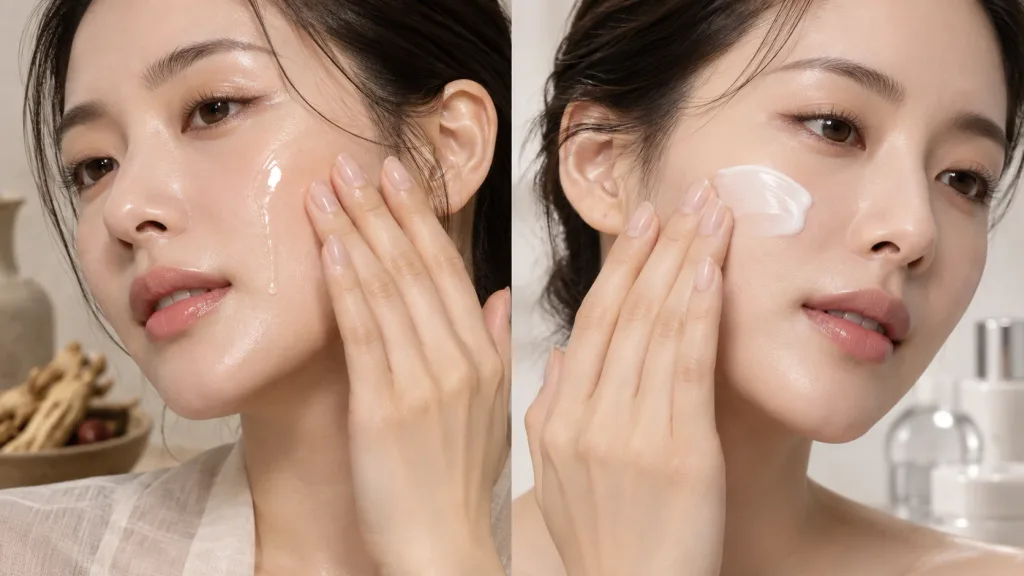
Beauty of Joseon products generally follow a straightforward layering order: cleanse, apply a hydrating toner or essence, follow with a serum if your routine includes one, then seal with a moisturiser and SPF in the morning. The rice and ginseng-based formulas tend to sit comfortably under makeup too.
COSRX’s more targeted formulas often ask for a bit more intention. A snail mucin essence usually goes on cleansed, slightly damp skin, patted in rather than rubbed, before your regular moisturiser. Treatment products with actives should be introduced gradually rather than added to every step at once.
How Soon Do Results Show
With either brand, hydration and a softer feel are usually noticeable within the first few uses, since that’s an immediate texture effect. More visible changes, whether that’s brightening from Beauty of Joseon’s rice-based formulas or repair-focused results from COSRX’s snail mucin line, tend to build over several weeks of consistent use.
Results vary by skin type, concern severity, and how consistently the product is used. Neither brand offers an overnight transformation, no matter how strong the marketing sounds.
Usage Frequency
Most products from both brands are designed for daily use, morning and night, following the specific product’s label. Treatment-focused actives from COSRX, such as exfoliants, are the exception and usually call for a lower frequency to start, easing in as your skin adjusts.
Aftercare and Usage Tips
Do:
- Patch test any new product from either brand, particularly anything with concentrated actives.
- Wear SPF daily regardless of which brand’s routine you’re following.
- Give a formula several weeks before deciding whether it’s working for your skin.
Don’t:
- Mix multiple strong actives from different lines on the same night without easing in gradually.
- Assume a gentler, traditional formula means no risk of irritation, everyone’s skin reacts differently.
- Expect either brand’s products to replace medical treatment for persistent skin concerns.
Beauty of Joseon vs COSRX: Side by Side
| Beauty of Joseon | COSRX | |
| Philosophy | Hanbang, traditional Korean herbal skincare | Clinical, dermatologist-influenced |
| Signature ingredients | Rice, ginseng, hanji mulberry root | Snail mucin, targeted actives |
| Texture | Soft, multi-purpose, often hydrating and brightening | Lightweight, ingredient-focused, treatment style |
| Best suited for | Sensitive, dry, or dehydrated skin wanting gentle care | Combination, oily, or acne-prone skin wanting targeted results |
| Entry point | Easier for K-beauty beginners | Better once you know your specific concern |
Which Brand Is Best for Snail Mucin
COSRX is the brand most widely recognised for snail mucin, and it’s what built much of the brand’s global reputation. Beauty of Joseon isn’t built around snail mucin at all, its identity sits with rice and ginseng instead, so it isn’t the right comparison point for this specific ingredient.
If snail mucin is what you’re specifically after, that’s a COSRX strength rather than a Beauty of Joseon one. For hydration through other Korean skincare staples, the skin care range at Vampire Glow is worth browsing for alternatives built around similarly hydrating, barrier-supporting ingredients.
Possible Side Effects and Precautions
Both brands are generally well tolerated, but formulas with concentrated actives, more common in COSRX’s treatment products, carry a higher chance of irritation if introduced too quickly. Beauty of Joseon’s gentler formulas are lower risk but not risk-free, particularly for anyone with known sensitivities to rice, ginseng, or fragrance.
Patch test any new product from either brand on your inner arm for 24 hours before applying it to your face. If you have an existing skin condition or are managing active acne, speak to a dermatologist before building a routine around either brand’s actives. The American Academy of Dermatology has further guidance on introducing new skincare products safely.
Cost and Pricing Factors
Formulation complexity is one of the biggest differences here. A simple hydrating toner sits at a different price point than a concentrated treatment serum, regardless of which brand it comes from.
Bundle sets versus single products also change the per-item cost, and currency matters too, since Vampire Glow displays prices in AED for the UAE and in USD for other regions. Delivery destination within the UAE or wider GCC can affect your final total at checkout. Check the live product listing for the current price.
Why Choose Vampire Glow
- Authentic Korean brands sourced directly, with batch codes and expiry checked on arrival
- A curated edit built for the Gulf climate, not a bottomless, overwhelming catalogue
- Cruelty-free brands only, across the full range
- Delivery across the UAE and the wider GCC, with options confirmed at checkout
- Clear ingredient and usage information listed on every product page
Vampire Glow’s current edit includes Beauty of Joseon, so if the hanbang, rice-and-ginseng approach is the direction you’re leaning, that’s where to start browsing. For a broader look at what’s genuinely stocked across Korean skincare, the full skin care edit and shop by brand page are the best places to compare what’s actually available.
FAQs
Which one is better, COSRX or Beauty of Joseon? Neither is objectively better, they solve different problems. Beauty of Joseon suits gentler, hydration-and-brightening routines built on rice and ginseng, while COSRX suits a more targeted, clinical approach built around actives and snail mucin.
Do Koreans really use Beauty of Joseon? Yes. Beauty of Joseon has genuine popularity in Korea and has grown into a well-known international name too, largely on the strength of its hanbang-inspired, rice and ginseng formulas.
Which brand is best for snail mucin? COSRX is the brand most associated with snail mucin globally. Beauty of Joseon’s range is built around different hero ingredients, so it isn’t the comparison point for this specific concern.
Do people in Korea use COSRX? Yes, COSRX is a genuinely popular Korean brand both domestically and internationally, known for its clinical, ingredient-focused approach to skincare.
Is COSRX a good Korean brand? Yes, it has a strong reputation for straightforward, dermatologist-influenced formulas with clearly labelled actives, particularly for acne-prone and combination skin.
Finding the Right Fit for Your Skin
The Beauty of Joseon vs COSRX debate usually comes down to philosophy rather than performance. One leans traditional and gentle, the other leans clinical and targeted, and plenty of people end up using elements of both once they understand what each brand actually does well.
Explore Beauty of Joseon at Vampire Glow or browse the full Korean skin care edit to find what fits your routine, delivered across the UAE and the GCC.

About author