Collagen vs Whey Protein for Skin and Hair: Which Should You Actually Take?
Two tubs, one shelf, one collagen vs whey protein question. You want better skin, stronger hair and a bit more protein in your day, and every ad tells you a different story. Collagen is “for beauty”. Whey is “for gym people”. Surely it is not that simple.
It is not, and it is also not as complicated as the labels make it sound. This guide on collagen vs whey protein explains what each one is, which suits skin, hair and joints, whether you can mix them, and where to buy good quality versions in Saudi Arabia. Where the evidence is thin, we say so.
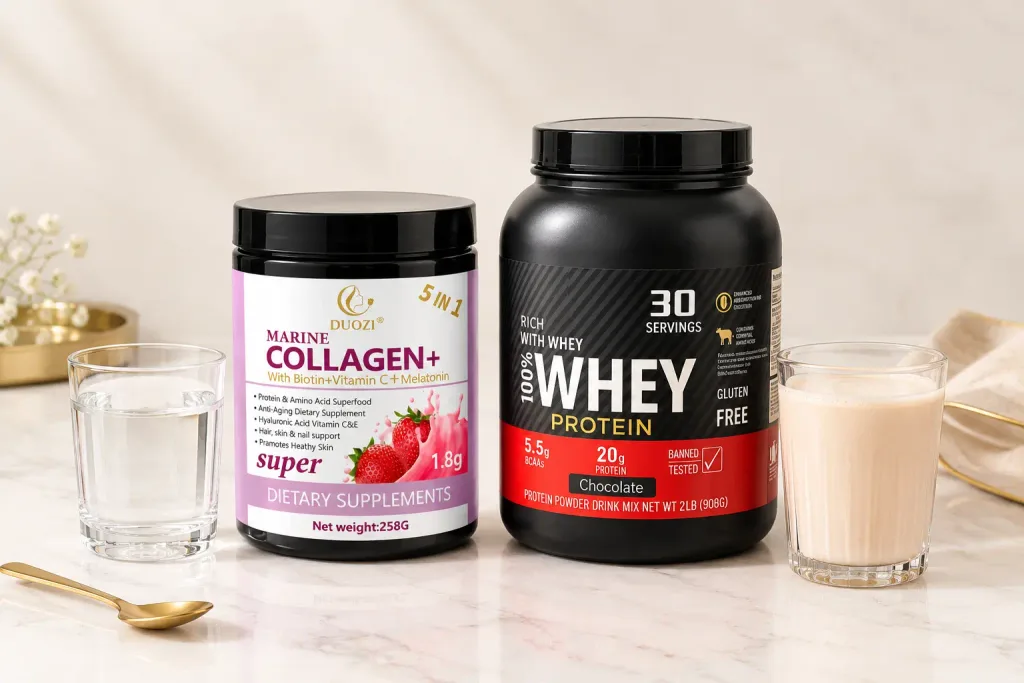
Collagen vs Whey Protein: What Each One Actually Is
Both are protein powders, but in the collagen vs whey protein debate that is where the similarity ends.
Collagen is the main structural protein in skin, bones, joints and connective tissue. Supplements use hydrolysed collagen, which means the protein has been broken into small peptides so it dissolves easily. Marine collagen comes from fish, bovine collagen from cattle.
Whey is a protein that comes from milk, left over when cheese is made. Whey isolate is a more filtered form with less lactose. It is best known in sport and fitness for supporting muscle.
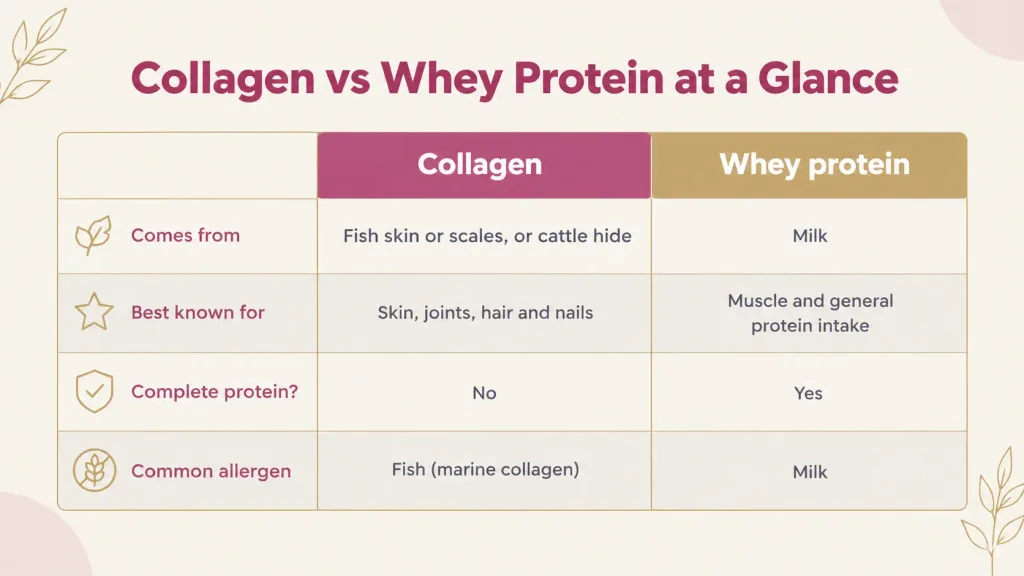
| Collagen | Whey protein | |
| Comes from | Fish skin or scales, or cattle hide | Milk |
| Best known for | Skin, joints, hair and nails | Muscle and general protein intake |
| Complete protein? | No | Yes |
| Common allergen | Fish (marine collagen) | Milk |
| Format | Powder, gummies, capsules | Powder, mostly |
Collagen vs Whey Protein: Is Collagen Complete, and Can Whey Replace It
This is the question that confuses people most, so let us be direct.
Collagen is not a complete protein. A Massachusetts Eye and Ear page on collagen and hair notes that collagen lacks tryptophan, one of the essential amino acids, so it should not replace your other protein sources. A sports nutrition guide at supp.co goes further, saying collagen contains almost none of the essential amino acids needed for muscle protein synthesis, including leucine, and calls whey a complete protein. So in collagen vs whey protein terms, if building muscle or hitting a protein target is your goal, collagen is a supporting player, not the main act.
Whey is complete, but it is not a collagen supplement. It does not contain collagen peptides. Whey gives your body all nine essential amino acids, which it can use to build many things, including its own collagen. To make collagen, the body also needs vitamin C. The NIH Office of Dietary Supplements says vitamin C is required for the biosynthesis of collagen.
So can you get enough collagen from whey protein alone? You can get the amino acids your body needs to make collagen, yes. Whether that matches taking collagen peptides directly for skin is a different question, and we did not find a head-to-head trial answering it. Honest answer: the two do different jobs.
Collagen vs Whey Protein for Skin and Hair
For skin, the collagen vs whey protein research leans to the collagen side. A systematic review and meta-analysis published in Nutrients in 2023 pooled 26 randomised trials with 1,721 participants and found that hydrolysed collagen significantly improved skin hydration. The result for elasticity was less clear, the authors noted bias in the trials, and they said larger trials are needed. We did not find comparable skin trials for whey, so we will not claim whey does anything for skin directly.
For hair, the collagen vs whey protein picture is thinner still. Hair is mostly keratin, and the same page says collagen supplies amino acids such as proline and glycine but cites no studies for hair growth. It also lists other causes worth checking, including stress, iron, vitamin D and B vitamins, and advises seeing a dermatologist for sudden, patchy hair loss. The practical point on hair: not eating enough protein overall is a common, fixable gap, and that is where a complete protein like whey can help. Collagen is a “may help” addition, not a hair-loss treatment.
Do Dermatologists Choose Collagen vs Whey Protein for Skin
You will see this collagen vs whey protein claim in plenty of ads. We looked for a dermatology guideline recommending collagen over whey for skin health and did not find one, so we will not repeat it.
What we can say: the skin-hydration evidence we reviewed is about hydrolysed collagen, not whey. That is a reason to consider collagen for skin goals, not proof that dermatologists prefer it. If you want a professional view for your own skin, ask a dermatologist or pharmacist, especially if you have a skin condition or take medication.
Collagen vs Whey Protein for Joints
In the collagen vs whey protein comparison, collagen has a more plausible joint story, because joints and cartilage are collagen-rich tissue. There is published research on collagen peptides and recovery from joint injury and exercise, including a systematic review on the topic, but the evidence is mixed and most studies are small, and we could not open the full text to quote its findings. Treat claims of dramatic joint relief with caution.
Whey, meanwhile, is mostly studied for muscle. Many active people take both: whey to support muscle, collagen as an extra. If you have joint pain, see a doctor rather than self-treating with supplements.
Collagen vs Whey Protein for Women Over 30: Do Supplements Really Work
On collagen vs whey protein for this group: maybe, modestly. The hydration result in the 2023 meta-analysis is the best evidence we have, and it does not guarantee a result for any one person. Skin changes with age, and many women start looking at collagen in their thirties, but we did not find evidence in the sources we read that results differ by age or sex, so we will not invent a split.
What helps realistically:
- Give it months. Trials run for weeks to months, so judge after about three months, not three weeks.
- Get vitamin C. From food first, or a supplement if your diet is light on fruit and vegetables.
- Protect your skin from the sun. Daily sunscreen does more for ageing skin than any powder.
- Check your protein intake. Some women over 30 simply eat too little, which is where whey or other protein sources can fill a gap.
For more on timing and safety, see our guide to hair, skin and nails supplements.
Can You Mix Collagen vs Whey Protein Together: Smoothies and Taste
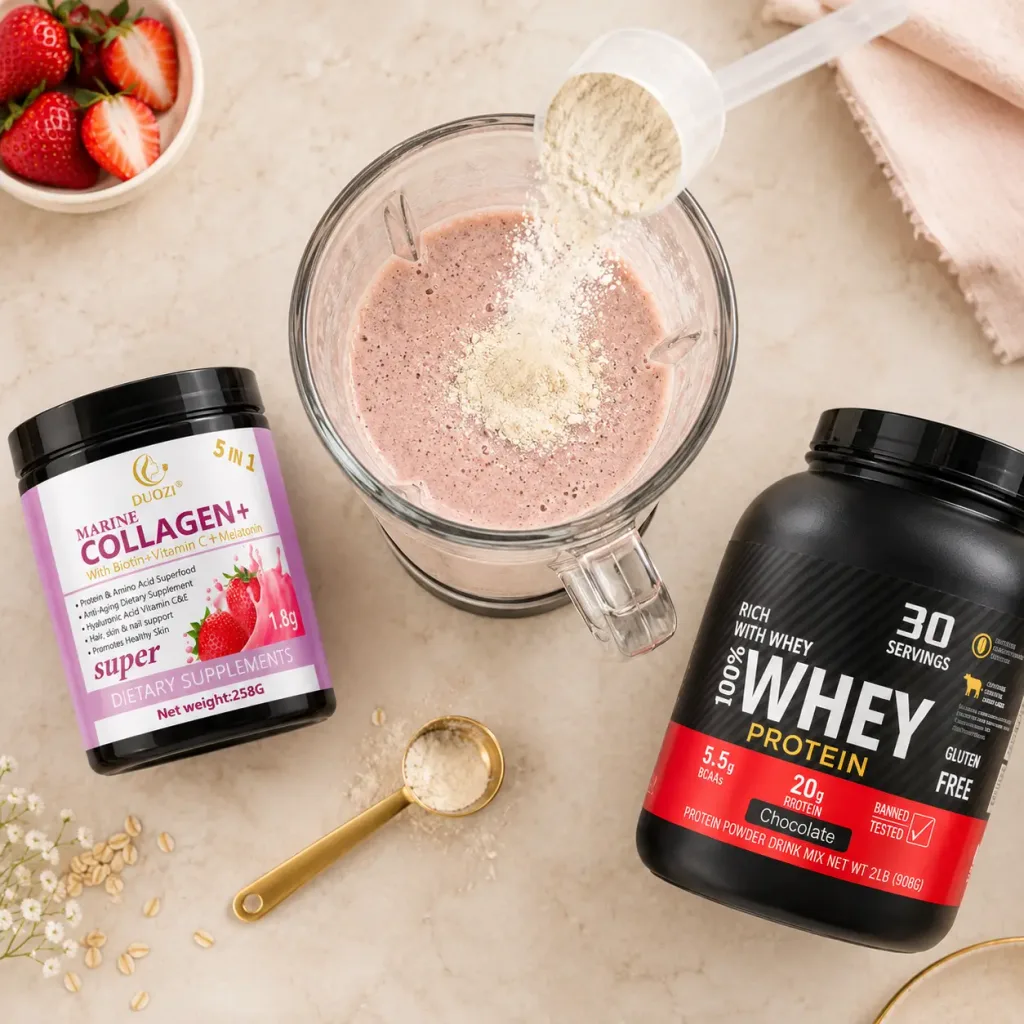
Yes, in practice many people mix collagen vs whey protein products, and we found no documented reason not to. They do different jobs, so mixing them is about convenience, not a special chemical benefit. We did not find a study testing the two as a pair.
Practical tips for smoothies and shakes:
- Collagen peptides are easy to mix. The Marine Collagen Peptide Powder with Biotin page says to stir it into water, and that it can also go into smoothies, soups or other drinks. It says it mixes cleanly into water or coffee, and one reviewer notes no strong taste.
- Whey is usually thicker and can foam more when shaken. Mix the two in a shaker or blender rather than stirring with a spoon.
- Add one at a time at first. If you get stomach upset, you will know which caused it.
- Mind your allergies. Whey is milk-based, and marine collagen is fish-based.
We have not run a formal taste test, and we will not pretend to. Flavour depends on the whey flavour you choose, so start with a small amount and adjust.
Collagen vs Whey Protein: Which Should You Take
Match the product to your goal when weighing collagen vs whey protein.
- Skin hydration and a general beauty routine: start with collagen. It has the skin-hydration evidence behind it.
- Muscle, strength or hitting a daily protein target: whey (or another complete protein) does the heavy lifting.
- Hair: first check your overall protein, iron and vitamin D. Collagen is optional support.
- Joints: collagen is the more plausible choice, though evidence is mixed. See a doctor for real joint pain.
- Want both: it is reasonable to take both, introduced one at a time.
Where to Buy Collagen or Whey Protein in Saudi Arabia: The Collagen vs Whey Protein Shortlist
Quality matters more than price when choosing between collagen vs whey protein, because supplements are swallowed, not applied. Before buying anywhere, check for a full ingredient list, a clear source of the collagen (marine or bovine), batch and expiry information, and a seller who can answer halal questions. Our guide on how to spot fake Korean skincare in Saudi Arabia covers the packaging checks that apply here too.
Here is what Vampire Glow offers that is relevant:
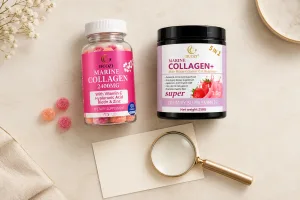
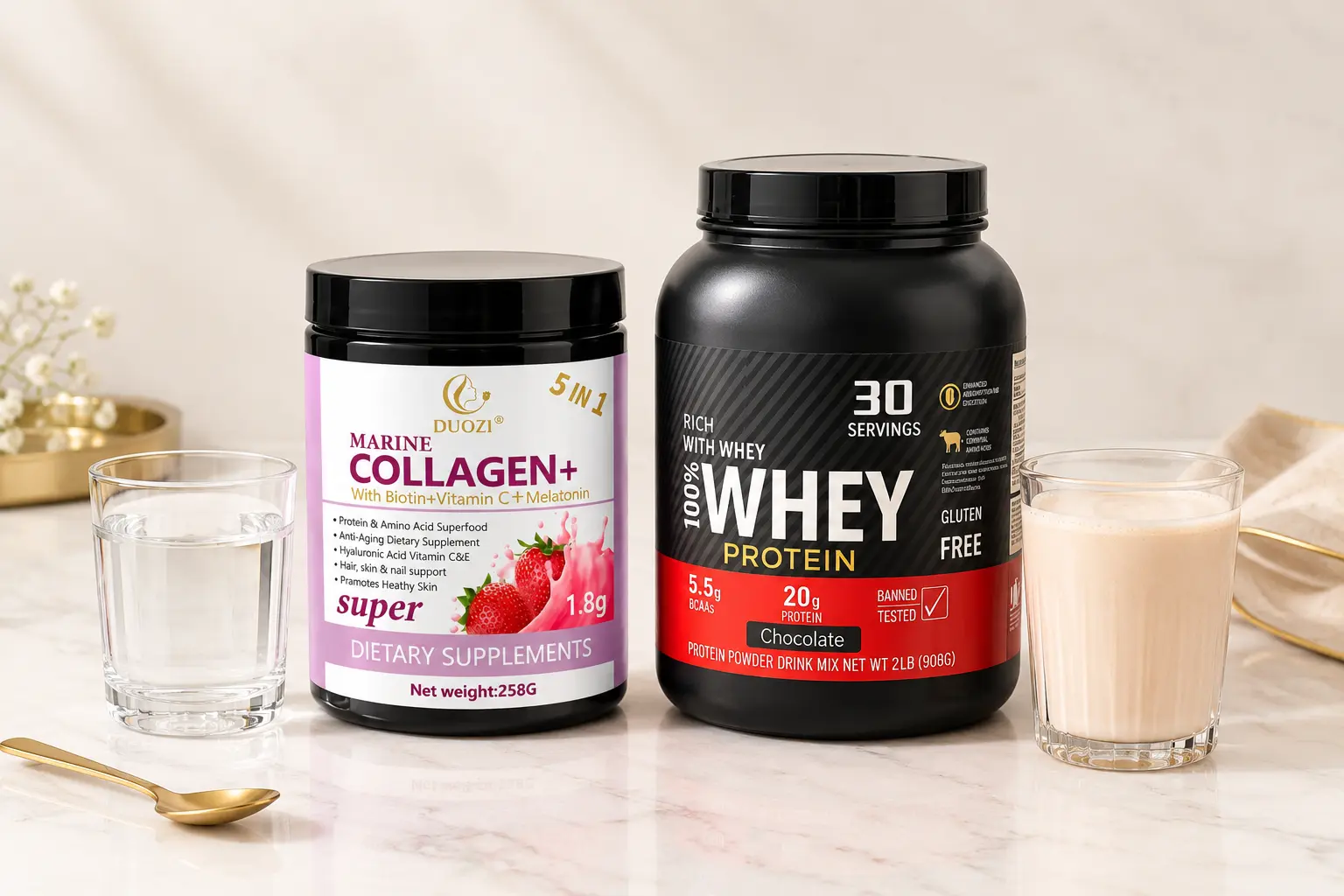
- Collagen powder: the DUOZI Marine Collagen Peptide Powder with Biotin is the stir-in option, and suits smoothies.
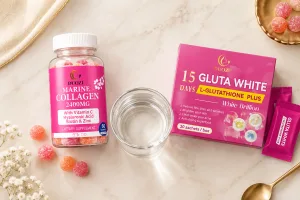
- Collagen gummies: the DUOZI Marine Collagen Gummies come with biotin and hyaluronic acid. Not sure which format? Read collagen gummies vs collagen powder.
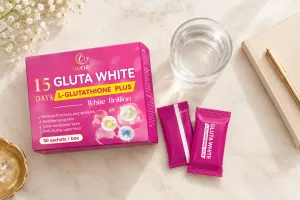
- The collagen package: the Best Collagen Booster Package brings together the marine collagen gummies, collagen peptide powder and vitamin C gummies, with a snail oil, a snail eye cream and sheet masks. It covers collagen and vitamin C in one order, with a topical routine alongside.
- Whey: our Isolate Whey Protein listing is the whey option in the range. The package above does not include whey, so if you want protein for muscle as well, add it alongside.
If halal status matters to you, message support@vampireglow.com before ordering and ask for the certificate for each product, collagen and whey alike.
Browse the wider skin supplements range or the DUOZI collection.
Precautions Before You Start
Whichever you pick in the collagen vs whey protein choice, supplements support general wellbeing. They do not treat any condition and do not replace medical care or a balanced diet. Marine collagen is fish-derived, so avoid it with a fish or shellfish allergy. Whey is milk-derived, so avoid it with a milk allergy and take care with lactose intolerance. The Massachusetts Eye and Ear page advises people with kidney conditions to check with a healthcare provider before using collagen. If you are pregnant, breastfeeding, taking medication or managing a health condition, speak to your doctor first. Follow the label serving and do not exceed it.
FAQs
Collagen vs whey protein: which should you actually take? On collagen vs whey protein, it depends on your goal. Collagen has the skin-hydration evidence and a plausible joint role, while whey is a complete protein suited to muscle and daily protein targets. Many people take both, one at a time at first. Your doctor can help if you have allergies or health conditions.
Is collagen a complete protein, or do you need whey too? Collagen is not a complete protein because it lacks tryptophan and is low in other essential amino acids. You do not need whey specifically, but you do need other complete protein sources in your diet, and whey is one convenient option.
Can you get enough collagen from whey protein alone? Whey does not contain collagen peptides. It supplies all the essential amino acids your body can use to make its own collagen, along with vitamin C. Whether that equals taking collagen directly for skin has not been shown in the research we reviewed.
Collagen vs whey for joints: which is better? Collagen is the more plausible choice, since joints and cartilage are collagen-rich, but evidence is mixed and studies are small. Whey is mostly studied for muscle. See a doctor for persistent joint pain.
Do collagen supplements work for women over 30? They may modestly improve skin hydration over months. A 2023 meta-analysis of 26 trials supports the hydration effect, but results vary and we did not find age-specific evidence. Pair it with vitamin C and daily sunscreen.
Why do dermatologists recommend collagen over whey for skin health? We did not find a dermatology guideline making that recommendation, so we cannot say they do. The skin evidence we reviewed concerns hydrolysed collagen, not whey. Ask a dermatologist about your own skin.
Can you mix collagen and whey protein together? Yes, many people do and we found no documented reason not to. They do different jobs, so the benefit is convenience. Mix in a shaker or blender, watch for milk and fish allergies, and introduce one at a time.
Collagen powder in smoothies vs whey: how do texture and taste compare? Collagen peptide powder is generally easy to dissolve and mild in taste, according to the product page and one reviewer. Whey tends to be thicker and can foam more, and its flavour depends on the one you pick. We have not run a formal taste test.
Where can I buy high-quality collagen or whey protein in Saudi Arabia? Look for a full ingredient list, a stated collagen source, batch and expiry details and a seller who answers halal questions. Vampire Glow delivers across Saudi Arabia and the wider GCC, with marine collagen powder, gummies, a collagen package and an isolate whey listing.
Pick the Protein That Fits Your Goal
Collagen vs whey protein is not a contest. Collagen suits skin hydration and possibly joints, whey suits muscle and daily protein, and many routines use both. Start with one, stay consistent, and keep sunscreen on.
Explore the Marine Collagen Peptide Powder and the Best Collagen Booster Package, available now at Vampire Glow and delivered across Saudi Arabia, the UAE and the wider GCC.
About author