Rice Water for Skin Benefits | How to Use It & Results
Rice Water for Skin Benefits: How to Use It and What Results to Expect
If your skin feels dull, tight, or uneven after another day under the AC and the sun, you’ve probably come across rice water for skin benefits somewhere in your scroll. It’s one of the oldest beauty rituals in Korean and Japanese skincare, and it’s back everywhere from TikTok to the ingredient lists of modern Korean brands.
The idea is simple. The starchy water left over from soaking or boiling rice carries antioxidants, amino acids, and trace vitamins that can support smoother, calmer looking skin. But there’s a real difference between the rice water you make in your kitchen tonight and the rice extract formulated into a proper skincare product, and that difference matters for how you use it and what you can realistically expect.
What Is Rice Water and Rice Extract for Skin
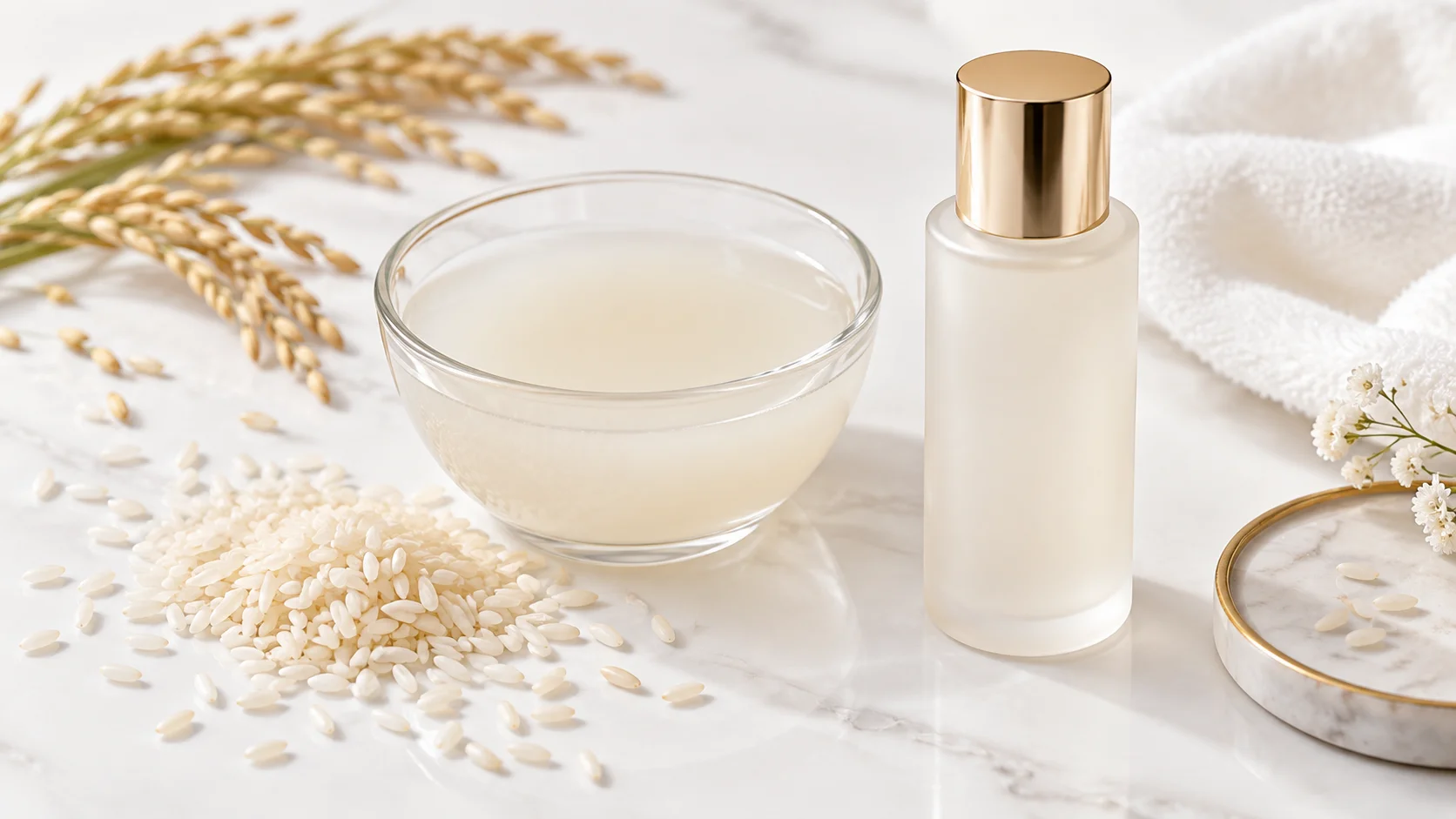
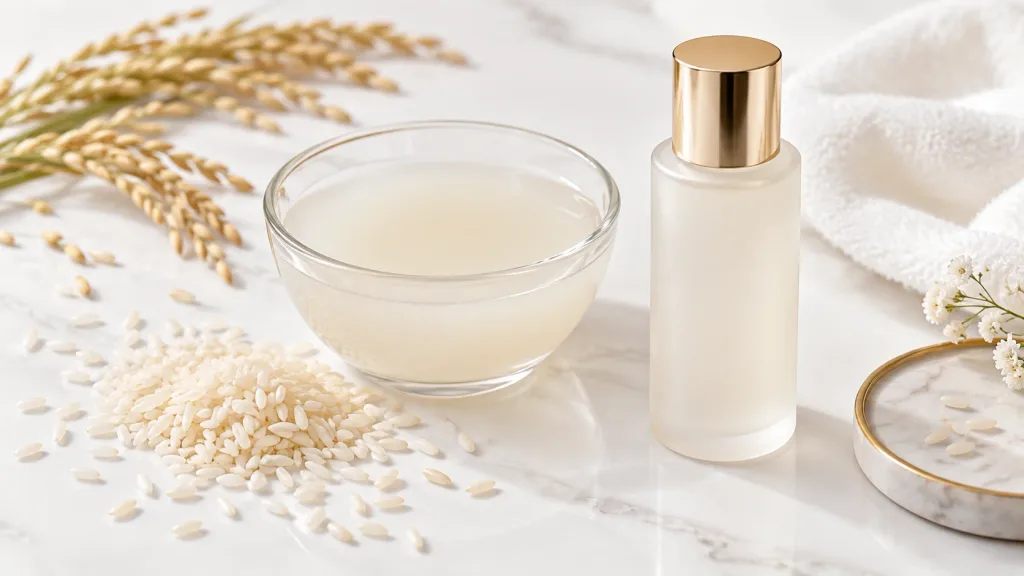
Rice water is exactly what it sounds like: the cloudy liquid left behind after rinsing, soaking, or boiling raw rice. It contains starch, small amounts of ferulic acid, B vitamins, and amino acids that rice naturally holds.
Rice extract is a more concentrated, stabilised version of the same idea. Brands ferment or process rice to pull out the beneficial compounds, then formulate them into a toner, essence, or serum at a controlled concentration, without the bacteria risk that comes with a jar of water sitting on your bathroom counter.
Both work on the skin in a similar way. The starch has a mild soothing effect on the surface, the antioxidants help defend against everyday environmental stress, and the amino acids support the skin’s natural texture over time. For a browsable range of Korean skincare that layers well with rice-based ingredients, the skin care range at Vampire Glow is a good place to start.
Who Should Use Rice Water for Skin
Rice water and rice extract suit most skin types, particularly if your main concerns are dullness, rough texture, or the tightness that comes from long hours in air conditioning. It’s gentle enough for dry and combination skin, and the lightweight texture works well in hot, humid weather too.
It’s not the right fit for everyone. Anyone with a known rice or grain allergy should skip it entirely. If your skin is already dealing with active breakouts and a routine full of strong actives, adding a fermented water rinse on top may be one step too many rather than one that helps.
What Are the Real Benefits of Rice Water for Skin
- Antioxidant support. The ferulic acid naturally present in rice offers some defence against daily environmental stress, including UV and pollution exposure.
- Mild soothing effect. The starch content can leave a temporary calming sensation, useful after a day of heat and recycled office air.
- Support for smoother texture. Amino acids in rice water are linked to a smoother, softer look and feel with consistent use.
- Even tone support over time. Regular use is associated with a brighter, more even looking complexion, though this builds gradually rather than overnight.
- Non-stripping hydration step. Rice water doesn’t disrupt the skin barrier the way harsher astringents can, which matters in a climate that already dehydrates skin through AC.
- Easy to layer. It slots into a K-beauty routine as a toner or essence step without complicating anything that comes after it.
How Do I Use Rice Water for My Face, Step by Step
If you’re making it at home:
- Rinse a small handful of uncooked rice once to remove surface dust, then discard that first rinse.
- Add fresh water, soak for 20 to 30 minutes, then strain the cloudy water into a clean container.
- Patch test on your inner arm for 24 hours before it goes anywhere near your face.
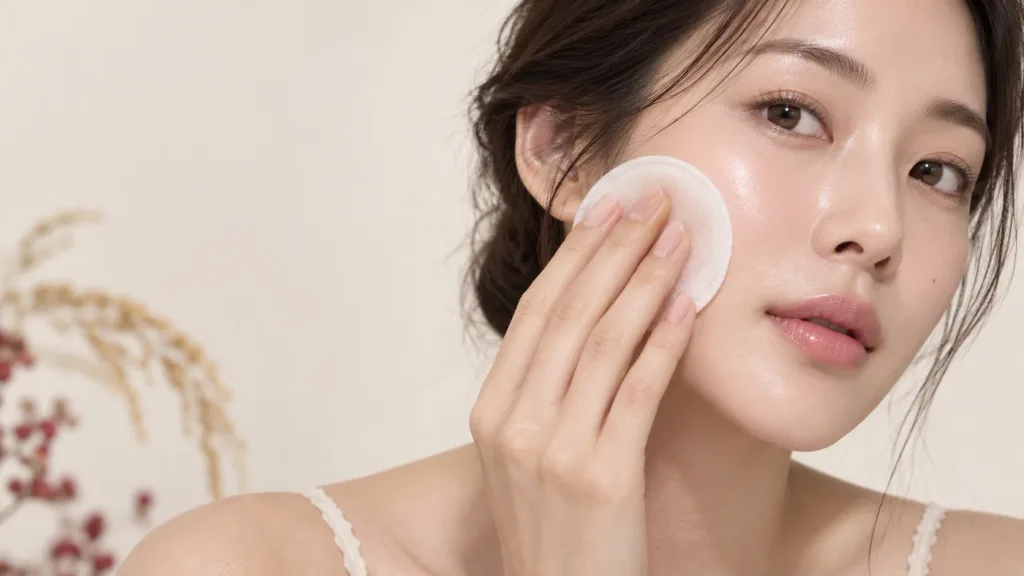
- After cleansing, soak a cotton pad and sweep it across your face, or splash it on as a final rinse.
- Follow with your regular serum, moisturiser, and SPF in the morning.
- Use it fresh. Do not keep homemade rice water longer than a day in the fridge, since it ferments quickly at room temperature and can grow bacteria you don’t want on your skin.
If you’re using a formulated rice extract product:
- Cleanse first, then apply the toner or essence to a damp face with your hands or a cotton pad.
- Pat gently rather than rubbing, and let it absorb for a minute.
- Layer your serum and moisturiser on top, then SPF for daytime use.
How Long Do You Leave Rice Water on Your Face
For a rinse or toner step, there’s nothing to time. Pat or sweep it on, let it absorb for a minute, then move straight into the next step of your routine. If you’re using it as a short soak or a rice water compress for a tighter, calmer feel, five to ten minutes is enough before rinsing off with lukewarm water.
How Soon Do Results Show
Most people notice a softer, slightly calmer feel within the first few applications, simply because the starch content has an immediate mild soothing effect. Visible changes in tone and texture tend to build over several weeks of consistent use, not overnight.
Individual results vary depending on your skin type, how consistent your routine is, and whether you’re using a formulated rice extract product or homemade rice water. Neither works instantly, and neither is a substitute for sunscreen if brightening is your goal.
How Many Days Can I Use Rice Water, and How Often Should I Use It
A formulated rice extract toner or essence can typically be used daily, morning and night, the same way you’d use any gentle toner, unless the product label says otherwise. Check the packaging for the specific brand’s guidance.
Homemade rice water is a different story. Because it isn’t preserved, it should be made fresh and used within a day or two at most. Using it daily is fine for many skin types as long as each batch is freshly prepared, but if you notice any tightness, redness, or breakouts, cut back to two or three times a week and see how your skin responds.
What Happens If I Apply Rice Water on My Face Daily
For most people, daily use of properly made, fresh rice water or a formulated rice extract product is well tolerated and simply supports the gradual benefits already covered above: a softer feel, better tolerance of environmental stress, and a more even looking tone over time.
The risk isn’t really the rice, it’s the water. Daily use of homemade rice water that’s been left too long, or stored without refrigeration, can introduce bacteria to the skin and cause irritation or breakouts instead of helping. If you’re committing to daily use, a formulated rice extract product removes that guesswork entirely.
Aftercare and Usage Tips
Do:
- Patch test any new rice water batch or new rice extract product before applying it to your full face.
- Wear SPF every morning, since any product aimed at tone and brightness works better alongside sun protection.
- Make a fresh batch of rice water each time rather than storing it for days.
- Stay consistent. This is a slow-build ingredient, not a one-time fix.
Don’t:
- Use rice water that smells sour or has been sitting out, fermentation happens faster than you’d expect in Gulf heat.
- Stack it with several other exfoliating actives on the same night.
- Expect overnight brightening or a permanent change in skin tone.
Rice Water vs Formulated Rice Extract Skincare: Which Is Right for You
| DIY Rice Water | Formulated Rice Extract Product | |
| Concentration | Low and inconsistent, depends on soak time | Controlled, consistent dose in every bottle |
| Shelf life | Must be used within a day or two | Formulated with proper preservation, lasts months |
| Hygiene risk | Higher, especially in warm climates | Low, manufactured under controlled conditions |
| Convenience | Requires prep every few days | Ready to use straight from the bottle |
| Cost | Essentially free | Priced per product, varies by brand and size |
Both approaches can work. DIY rice water is a nice ritual if you enjoy making it fresh, while a formulated rice extract toner or essence is the more practical, lower-risk choice for daily use, particularly in a hot climate where homemade batches spoil quickly. Browse Korean skincare brands for formulated options that layer rice-derived ingredients with other actives.
Possible Side Effects and Precautions
Rice water and rice extract are considered gentle for most skin types, but a few precautions are worth knowing. Anyone with a rice or grain allergy should avoid it. Mild redness or breakouts can happen if homemade rice water has fermented too long or wasn’t stored properly.
As with any new skincare step, patch test first and introduce it gradually rather than adding it to every step of your routine on day one. If irritation shows up and doesn’t settle, stop use and speak to a dermatologist, particularly if you have an existing skin condition. The American Academy of Dermatology has further guidance on patch testing and introducing new skincare ingredients safely.
Cost and Pricing Factors
Product size and formulation complexity are the biggest factors in what a rice extract toner or essence costs. A simple single-ingredient toner sits differently on price than a multi-active essence that combines rice extract with niacinamide or centella.
Buying a bundle or a full-step set instead of a single product usually changes the per-item cost too. Prices on vampireglow.com display in AED for the UAE and in USD for other regions, and delivery destination within the UAE or wider GCC can affect the final total at checkout. For the current price on any product, check the live listing rather than relying on anything you’ve seen elsewhere.
Why Choose Vampire Glow
- Authentic Korean brands sourced directly, with batch codes and expiry checked on arrival
- A curated edit built for the Gulf climate, not an overwhelming, bottomless catalogue
- Cruelty-free brands only, across the full range
- Delivery across the UAE and the wider GCC, with options confirmed at checkout
- Clear ingredient and usage information listed on every product page
FAQs
How do I use rice water for my face? Cleanse first, then apply fresh rice water with a cotton pad or as a final rinse, followed by your regular serum, moisturiser, and SPF. If you’re using a formulated rice extract product, apply it as you would any toner or essence, straight after cleansing.
How many days can I use rice water? Homemade rice water should be made fresh and used within a day or two, since it isn’t preserved and ferments quickly in warm weather. A formulated rice extract product can usually be used daily, following the guidance on its label.
What happens if I apply rice water on my face daily? Fresh, properly made rice water or a formulated rice extract product is generally well tolerated with daily use. The main risk comes from using homemade batches that have been stored too long, which can introduce bacteria rather than benefits.
How long do you leave rice water on your face? As a toner or rinse step, there’s no waiting required, just pat it in and move to the next step. As a short soak or compress, five to ten minutes is enough before rinsing off.
What happens if I use rice water on my face every day? Used consistently and correctly, daily rice water can support the skin’s natural texture and a more even looking tone over several weeks. Results vary by skin type, and consistency matters more than any single application.
Ready to Add Rice-Based Skincare to Your Routine
Rice water for skin benefits isn’t a trend that skips the basics, it works best alongside a proper cleanse, moisturiser, and daily SPF, not instead of them. If a homemade rinse feels like too much upkeep for a Gulf summer, a formulated rice extract toner or essence gets you the same gentle, brightening-support benefits without the guesswork.
Browse the full skin care edit at Vampire Glow or explore the cleansing range to build a routine around it, delivered across the UAE and the GCC.

About author