Does Zinc Help Acne? How Zinc Supplements Work on Breakouts
Does zinc help with acne, or is it another supplement trend riding on thin evidence? It’s a fair question, and the honest answer sits somewhere in the middle. Zinc has genuine, researched anti-inflammatory and antibacterial properties, and some clinical studies have found oral zinc supplementation helpful for mild to moderate acne. That’s not the same as a guaranteed fix, and it’s worth understanding what the research actually supports before adding it to your routine.Link “zinc” or “zinc supplementation” to the NIH Office of Dietary Supplements. It covers zinc’s functions, recommended intake, deficiency, and risks of excessive intake. ODS
NIH Zinc Fact Sheet
This guide covers what zinc does, what it doesn’t do, realistic timelines, and the safety details that matter more than most acne-supplement marketing lets on.
What Is Zinc and How Might It Help Acne
Zinc is an essential mineral involved in immune function, wound healing, and inflammation regulation throughout the body. For acne specifically, researchers have looked at zinc’s potential to reduce the inflammatory response involved in breakouts and to have some antibacterial activity against the bacteria associated with acne, C. acnes.
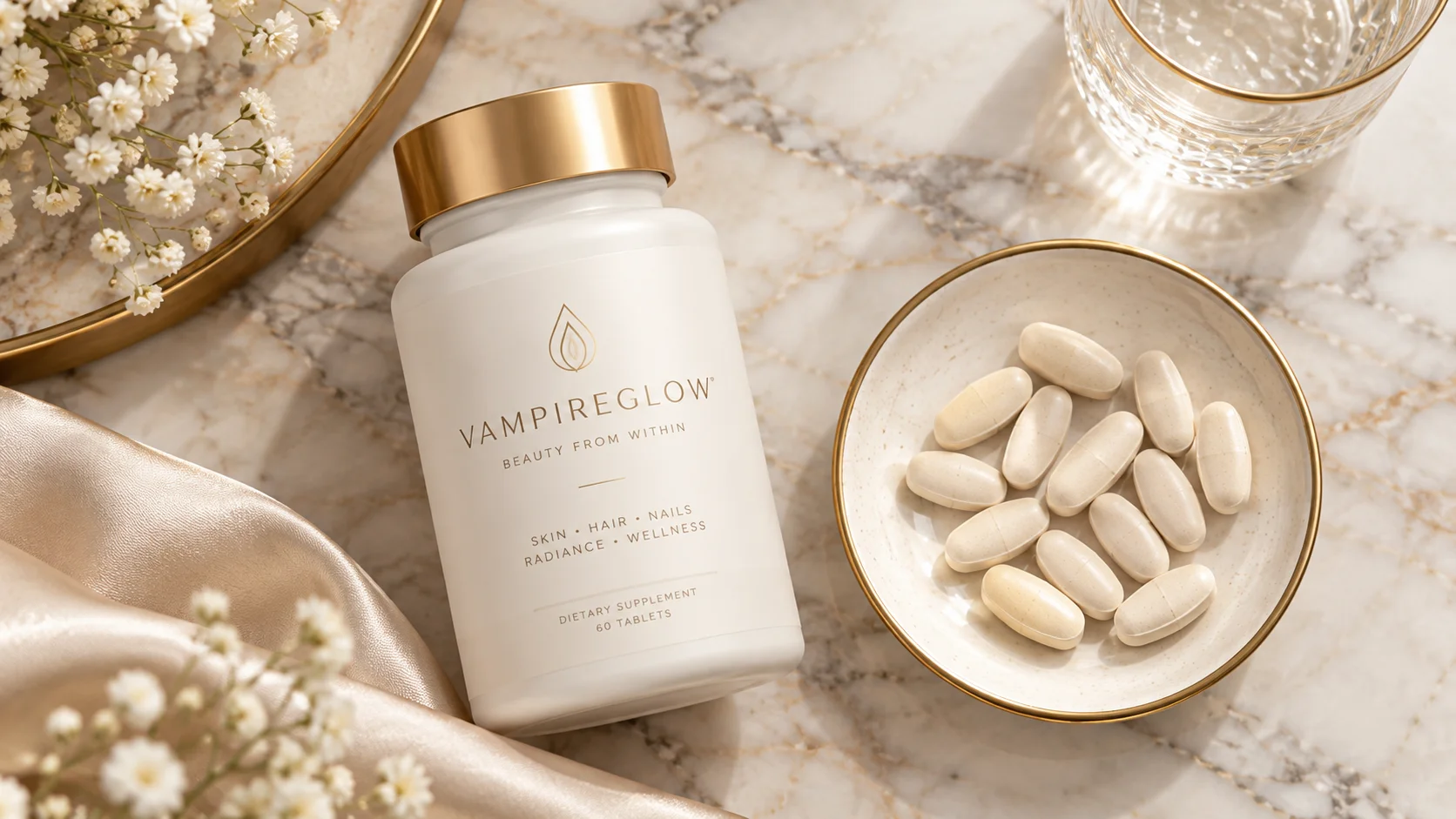
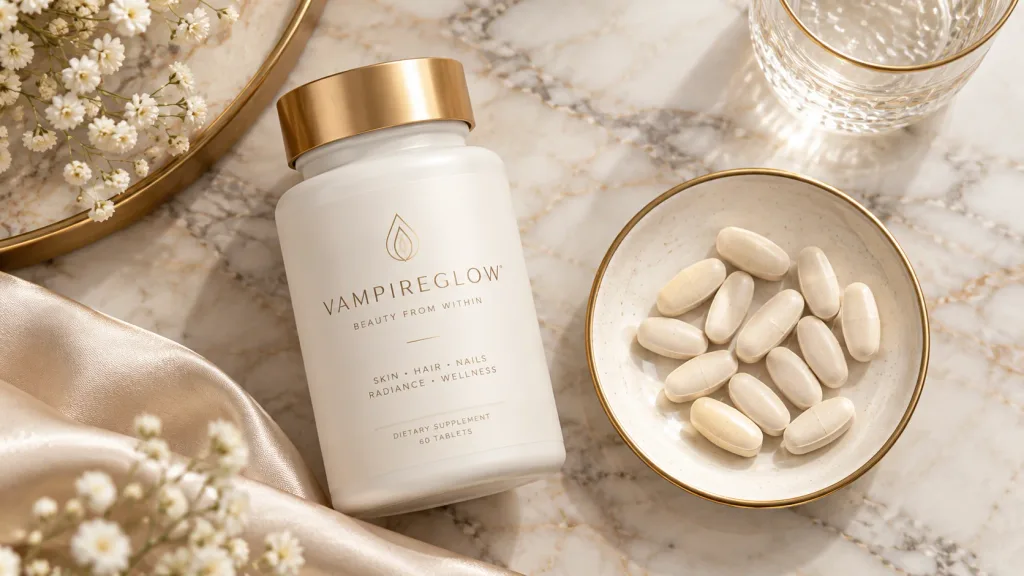
Some studies have also explored zinc’s role in regulating oil production, though this area of research is less conclusive than its anti-inflammatory effects. Overall, the evidence supports zinc as a reasonable, well-tolerated option worth considering for mild to moderate acne, not a guaranteed or universal solution. DUOZI, available through Vampire Glow, carries supplement options worth checking against this ingredient.
Who Should Consider Zinc for Acne, and Who Should Skip It
Zinc supplementation tends to be considered by people dealing with mild to moderate inflammatory acne who want to try a supplement-based approach alongside their existing skincare routine. It’s generally not positioned as a first-line treatment for severe, cystic, or scarring acne, which usually needs a dermatologist-guided treatment plan.
If you’re pregnant, breastfeeding, taking medication (particularly antibiotics, since zinc can interfere with their absorption), or managing a health condition, speak with a doctor before starting zinc supplementation. Anyone already getting sufficient zinc through diet or another supplement should be cautious about stacking additional zinc on top.
Does Zinc Help Acne
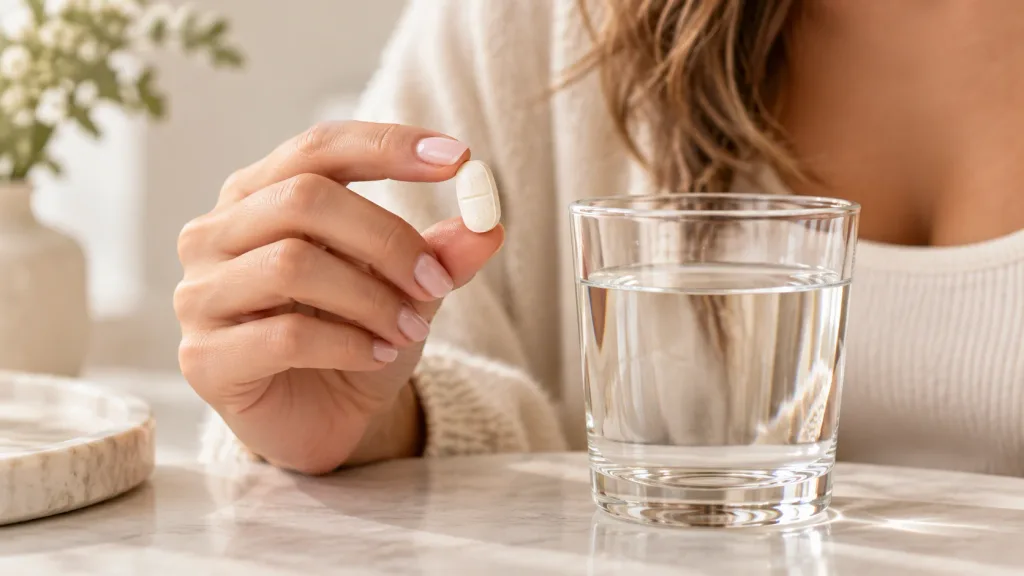
Some evidence suggests it can, particularly for inflammatory acne, though results are inconsistent across studies and it works better for some people than others. Zinc’s anti-inflammatory and mild antibacterial properties are the proposed mechanisms, and a number of clinical trials have reported modest improvements in acne severity with oral zinc supplementation over several weeks.
It’s not considered as consistently effective as established topical or prescription acne treatments, and it’s best understood as a supportive option rather than a replacement for a dermatologist-guided routine, particularly for anything beyond mild to moderate breakouts.
Does Zinc Help Hormonal Acne
Hormonal acne, typically appearing along the jawline and chin and often tied to the menstrual cycle, has a more complex set of drivers than general inflammatory acne, and zinc’s evidence here is more limited. Some research suggests zinc may offer modest support by reducing inflammation, but it isn’t shown to address the hormonal fluctuations that drive this specific type of acne.
If hormonal acne is your main concern, zinc may be a reasonable addition to a broader routine, but a dermatologist is better placed to address the hormonal component directly, whether through topical treatment, hormonal therapy, or other options suited to your specific pattern.
Does Zinc Reduce Acne Scars
No, zinc supplementation isn’t shown to reduce existing acne scars, particularly atrophic or pitted scarring, which requires different treatment approaches entirely, such as professional dermatological procedures. Zinc’s role is generally studied in relation to active inflammation and breakouts, not established scar tissue.
Some people report less post-inflammatory redness or marking when active breakouts are better managed, which may be an indirect effect of fewer new blemishes forming rather than zinc actively fading existing scars. If scarring is your main concern, a dermatologist can advise on treatments actually designed for that purpose.
How Long Does Zinc Take to Work for Acne
Clinical studies on oral zinc for acne have generally measured results over eight to twelve weeks of consistent daily use, and that’s a reasonable timeframe to expect before judging whether it’s making a difference for you. It’s not a fast-acting treatment, and expecting visible change within days isn’t realistic based on the available research.
As with most acne interventions, individual response varies considerably, and some people notice no meaningful difference even with consistent use over this timeframe.
Benefits of Zinc for Skin
- Anti-inflammatory support, potentially calming some of the inflammation involved in breakouts
- Mild antibacterial activity against acne-associated bacteria, according to some research
- General immune and skin health support, beyond the acne-specific interest driving most searches for it
- A supplement-based option for those who prefer this alongside topical treatments
- Generally well tolerated at appropriate doses for most healthy adults
How to Use Zinc for Acne
Follow the recommended serving size on your specific product’s label rather than a number you’ve seen elsewhere, since zinc supplements come in different forms, zinc picolinate, zinc gluconate, and zinc oxide among them, with different absorption profiles. Taking zinc with food can help reduce the mild stomach upset some people experience.
Consistency over the full eight-to-twelve-week window matters more than the exact time of day you take it.
Usage Frequency
Most zinc supplements for this purpose are taken once daily, following the label’s recommended serving. Taking more than recommended doesn’t reliably improve results and increases the risk of side effects covered below.
Aftercare and Usage Tips
Do:
- Take zinc with food if you notice any stomach sensitivity.
- Give it the full eight-to-twelve-week window before deciding whether it’s helping.
- Pair it with a consistent topical skincare routine rather than relying on it alone.
Don’t:
- Exceed the recommended serving in the hope of faster results.
- Take zinc supplements at the same time as antibiotics without checking timing with a doctor, since zinc can reduce their absorption.
- Expect zinc to address severe, cystic, or scarring acne on its own.
Oral Zinc vs Topical Acne Treatments
| Oral Zinc Supplements | Topical Acne Treatments | |
| Mechanism | Works internally, anti-inflammatory and mild antibacterial | Works directly on the skin’s surface |
| Evidence base | Mixed, more established for mild to moderate acne | Stronger, more established for a range of severities |
| Typical timeline | Eight to twelve weeks | Often four to eight weeks for initial change |
| Best for | Mild to moderate inflammatory acne, as a supportive addition | Most acne types, often the first-line approach |
| Side effect considerations | GI upset, copper deficiency risk with long-term high doses | Localised irritation or dryness |
Many people use both, a topical treatment as the primary approach and oral zinc as a supportive addition, rather than treating either as a standalone solution.
Possible Side Effects and Precautions
Zinc supplementation is generally well tolerated at standard doses, but higher or long-term use has been associated with nausea, stomach upset, and a reduced ability to absorb copper, which can lead to copper deficiency over time. Zinc can also interfere with the absorption of certain antibiotics, including tetracyclines, so timing matters if you’re taking both.
This information is general and not medical advice. If you are pregnant, breastfeeding, taking medication, or managing a health condition, speak with a doctor before starting zinc supplementation, particularly for extended use beyond a few months.
Cost and Pricing Factors
Zinc form, concentration, and the number of servings per bottle are the main factors behind price differences in this category. A supplement combining zinc with other supportive nutrients will typically cost more than a basic single-ingredient formula.
Prices on vampireglow.com display in AED for the UAE and in USD for other regions, with delivery destination within the UAE or wider GCC affecting your final total at checkout.
Why Choose Vampire Glow
- Authentic brands sourced directly, with batch codes and expiry checked on arrival
- A curated edit built for the Gulf climate and lifestyle, not an overwhelming, bottomless catalogue
- Cruelty-free brands only, across the full range
- Delivery across the UAE and the wider GCC, with options confirmed at checkout
- Clear ingredient and usage information listed on every product page
FAQs
Does zinc help hormonal acne? Zinc’s evidence here is more limited than for general inflammatory acne. It may offer modest support through reduced inflammation, but it doesn’t address the hormonal fluctuations driving this specific type of acne, so a dermatologist is better placed to treat the hormonal component directly.
Does zinc help acne? Some research supports zinc for mild to moderate inflammatory acne, largely through its anti-inflammatory and mild antibacterial properties, though results vary between individuals and it’s considered less consistently effective than established topical treatments.
Does zinc reduce acne scars? No, zinc isn’t shown to reduce existing scarring. Its studied role relates to active inflammation and breakouts, not established scar tissue, which needs different treatment approaches.
How long does zinc take to work for acne? Clinical studies typically measure results over eight to twelve weeks of consistent use. It isn’t a fast-acting option, and individual response varies considerably.
Can too much zinc cause side effects or make acne worse? Excessive or long-term high-dose zinc intake is linked to nausea, stomach upset, and copper deficiency, rather than to worsening acne directly. Staying within the labelled serving and checking with a doctor for extended use helps avoid these issues.
A Reasonable Addition, Not a Guaranteed Fix
Does zinc help with acne comes down to realistic expectations: some evidence supports it for mild to moderate inflammatory breakouts, but it isn’t a guaranteed or fast-acting solution, and it isn’t a substitute for dermatologist care where acne is more severe or scarring. Give it a full, consistent trial alongside your existing routine rather than expecting it to work alone.
Explore DUOZI’s supplement range at Vampire Glow or browse the wider skin supplements edit, delivered across the UAE and the GCC.
About author