Omega 3 Fish Oil for Dry Skin and Dry Scalp: Benefits and How to Take It
Omega 3 fish oil for dry skin and dry scalp is one of the more reasonably supported supplement searches out there, though the evidence is still more modest than most product marketing suggests. Omega-3 fatty acids are genuinely essential to skin barrier function, and a shortfall in your diet is a well-documented cause of dry, flaky skin, but that’s a different claim from saying a supplement will dramatically fix an already-adequate diet.
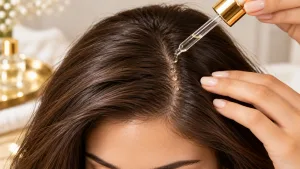
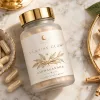
This guide walks through what the research actually shows for skin and scalp specifically, what it doesn’t show for hair growth, and how to think about dosage sensibly rather than guessing.Omega 3 Fish Oil for Dry Skin and Dry Scalp may help support skin hydration and overall barrier function.
What Are Omega-3 Fatty Acids and Why They Matter for Skin
Omega-3s are essential fatty acids, meaning your body can’t produce them on its own, so they have to come from food or supplements. The three main types are ALA, found in plant oils like flaxseed and walnuts, and EPA and DHA, found mainly in fatty fish and fish oil supplements. Your body can convert a small amount of ALA into EPA and DHA, but not efficiently, which is why fish-based sources are considered the more direct route to these two specific fatty acids.
At the skin level, omega-3s are incorporated into cell membranes and help regulate the body’s inflammatory signalling, which is the basis for most of their proposed skin and scalp benefits. A genuine omega-3 shortfall in the diet is a recognised contributor to dry, flaky skin, so ensuring adequate intake matters, though that’s a distinct point from whether extra supplementation helps someone whose diet is already sufficient.

Will Omega-3 Help With Dry Scalp
It may help some people, though the evidence is described by researchers as modest rather than conclusive. Omega-3’s anti-inflammatory activity is thought to support scalp comfort and skin barrier function, which can translate into less dryness and irritation for some individuals, particularly if their diet was previously lacking in these fatty acids.
It isn’t a guaranteed fix for dry scalp on its own, and results tend to be more reliably linked to overall skin barrier support than to a dramatic, universal improvement. If your scalp dryness is severe, persistent, or accompanied by significant flaking or itching, it’s worth having a dermatologist rule out conditions like seborrheic dermatitis or psoriasis rather than relying on a supplement alone.
Which Vitamin Is Good for Dry Scalp
Omega-3 itself is a fatty acid rather than a vitamin, so it’s worth separating the two when you’re building a routine. Vitamins commonly associated with scalp and skin health include vitamin D, vitamin E, and biotin, each supporting different aspects of skin and hair follicle function, though none of them is a definitive, single-ingredient fix for dry scalp either.
Rather than searching for one specific vitamin, a more realistic approach is ensuring your overall diet covers these nutrients adequately, and treating any supplement, omega-3 included, as one part of a broader routine rather than a standalone solution. Persistent dry scalp that doesn’t improve with basic nutritional and skincare changes is worth having assessed by a dermatologist.
Does Omega-3 Make Hair Grow Faster
Not reliably, and this is an area where the evidence is genuinely mixed. Some clinical studies have shown improved hair density and thickness with supplementation, but most of these studies used combination formulas containing omega-3 alongside omega-6 and antioxidants, making it difficult to isolate omega-3’s individual contribution. A scoping review of omega fatty acids in hair loss research concluded that current data don’t support omega fatty acid supplementation as a standalone treatment for any type of hair loss.
Interestingly, one clinical study in men with androgenetic alopecia found that higher omega-3 intake was actually associated with a lower likelihood of clinical improvement, a reminder that more isn’t automatically better and that hair loss has many different underlying causes omega-3 alone doesn’t address. If faster hair growth is your main goal, omega-3 is better understood as a possible supporting factor within a broader approach, not a direct accelerant.Many people consider Omega 3 Fish Oil for Dry Skin and Dry Scalp when dryness affects both the skin and scalp.This guide explains Omega 3 Fish Oil for Dry Skin and Dry Scalp and the potential benefits of omega-3 fatty acids.
Is Omega-3 Good for Dandruff
There’s biologically plausible support for this, since dandruff often involves scalp inflammation that omega-3’s anti-inflammatory properties may help calm. Some research specifically links omega-3 supplementation to reduced scalp inflammation associated with dandruff, though the overall clinical evidence remains modest rather than strongly established.When using Omega 3 Fish Oil for Dry Skin and Dry Scalp, consistency and overall diet also matter.The benefits of Omega 3 Fish Oil for Dry Skin and Dry Scalp may vary depending on diet, dosage, and individual needs.
Dandruff is frequently driven by an overgrowth of a yeast called Malassezia on the scalp, which omega-3 supplementation doesn’t directly address. For persistent dandruff, a medicated anti-dandruff shampoo is typically the more targeted, better-evidenced first step, with omega-3 as a reasonable supporting addition rather than a replacement.
How Much Omega-3 for Hair Growth
There’s no officially established dosage specifically for hair growth or dry scalp, since the research in this specific area hasn’t reached that level of consensus. What does exist is general safety guidance: the FDA advises limiting combined EPA and DHA intake to no more than 3 grams a day from all sources, with no more than 2 grams a day coming from dietary supplements specifically, since higher intakes have been linked to an increased risk of bleeding.
Rather than chasing a specific number aimed at hair growth, following your chosen product’s labelled serving and staying within these general safety guidelines is the more sensible approach, particularly given that higher doses haven’t been shown to produce better hair or scalp outcomes.
Benefits of Omega-3 for Skin and Scalp
- Supports skin barrier function, relevant to dryness across both skin and scalp
- Anti-inflammatory activity, which may support scalp comfort and reduce irritation for some people
- Addresses a genuine deficiency risk, since inadequate omega-3 intake is a recognised cause of dry, flaky skin
- May offer modest support for scalp conditions like dandruff, alongside more targeted treatments
- General health benefits beyond skin, including the cardiovascular support omega-3s are best known for
How to Take Omega-3 for Dry Skin and Scalp
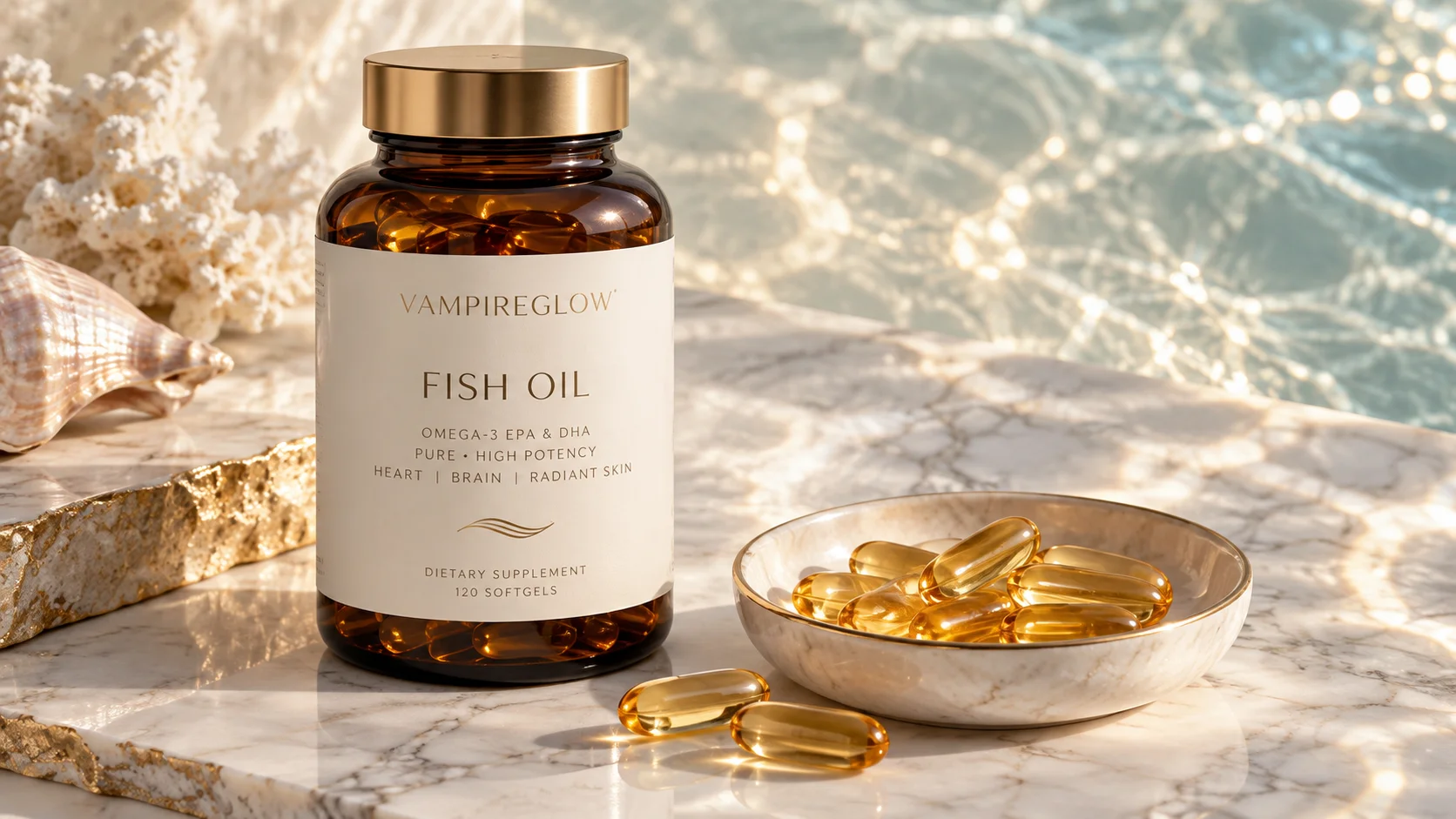
Follow the recommended serving on your specific product’s label, since fish oil supplements vary in their EPA and DHA concentration per capsule. Taking it with a meal can help reduce the mild fishy aftertaste or stomach upset some people experience.
Consistency over several weeks to months matters more than the exact dose within a reasonable, label-guided range, since omega-3’s effects on inflammation and skin barrier function build gradually rather than acting immediately.
Results Timeline
There’s no fixed, universally agreed timeline for skin or scalp improvements, since most of the supporting research has focused on other outcomes like hair density over six-month study periods. If you’re trying omega-3 for dry skin or scalp specifically, giving it a similarly patient trial of at least eight to twelve weeks is more realistic than expecting change within days.
Usage Frequency
Most fish oil supplements are taken once or twice daily, following the specific serving size on the label. Doubling up beyond the labelled amount doesn’t reliably improve results and can increase side effect risk, particularly around bleeding at higher doses.
Aftercare and Usage Tips
Do:
- Take your supplement with food to reduce fishy aftertaste or mild stomach upset.
- Give it a consistent, multi-week trial before judging whether it’s helping your skin or scalp.
- Choose a reputable formula, since fish oil quality and purity vary between products.
Don’t:
- Exceed the recommended serving in the hope of faster hair or scalp results.
- Expect it to replace a medicated treatment for diagnosed dandruff, seborrheic dermatitis, or hair loss conditions.
- Combine high-dose omega-3 with blood-thinning medication without checking with a doctor first.
Dietary Omega-3 vs Topical Scalp Oils
| Oral Omega-3 Supplements | Topical Scalp Oils | |
| Mechanism | Works internally, supports barrier function and inflammation | Works directly on the scalp surface |
| Evidence base | Modest, more established for skin barrier than hair growth | Varies widely by ingredient and formulation |
| Timeline | Several weeks to months | Often faster, more immediately noticeable |
| Best for | General skin and scalp support, addressing dietary gaps | Targeted, visible scalp comfort and hydration |
| Combinable | Yes, with topical scalp care | Yes, with oral omega-3 |
Many people find a combined approach, oral omega-3 for general support and a topical scalp product for more immediate comfort, more realistic than expecting either one alone to solve persistent dryness.
Possible Side Effects and Precautions
Fish oil is generally well tolerated at standard doses, with the most common side effects being a fishy aftertaste, mild nausea, or loose stools. At higher doses, omega-3 supplementation has been associated with an increased risk of bleeding, which is why the FDA’s upper guidance on supplement intake matters, particularly for anyone taking blood-thinning medication.
Anyone with a seafood allergy should be cautious with fish-derived omega-3 and consider an algal oil alternative instead. This information is general and not medical advice. If you are pregnant, breastfeeding, taking medication, particularly blood thinners, or managing a health condition, speak with a doctor before starting omega-3 supplementation. The NIH Office of Dietary Supplements has further detail on recommended intakes and safety.
Cost and Pricing Factors
EPA and DHA concentration per capsule, the source (fish versus algal oil), and the number of servings per bottle are the main factors behind price differences in this category. Higher-purity, higher-concentration formulas typically cost more than basic, lower-dose options.
Prices on vampireglow.com display in AED for the UAE and in USD for other regions, with delivery destination within the UAE or wider GCC affecting your final total at checkout.
Why Choose Vampire Glow
- Authentic brands sourced directly, with batch codes and expiry checked on arrival
- A curated edit built for the Gulf climate and lifestyle, not an overwhelming, bottomless catalogue
- Cruelty-free brands only, across the full range
- Delivery across the UAE and the wider GCC, with options confirmed at checkout
- Clear ingredient and usage information listed on every product page
FAQs
Will omega-3 help with dry scalp? It may help some people, particularly if their diet was previously low in omega-3, through its anti-inflammatory and skin-barrier-supporting effects. It isn’t a guaranteed fix, and persistent dryness is worth having a dermatologist assess.
Which vitamin is good for dry scalp? Omega-3 is a fatty acid rather than a vitamin, but vitamin D, vitamin E, and biotin are commonly associated with scalp and skin health. No single nutrient is a definitive fix on its own.
Does omega-3 make hair grow faster? Not reliably. Most supporting studies used combination supplements rather than omega-3 alone, and one study even linked higher omega-3 intake to less improvement in a specific type of hair loss. It’s better viewed as a possible supporting factor than a direct accelerant.
Is omega-3 good for dandruff? There’s plausible support through its anti-inflammatory effects on the scalp, though evidence remains modest. Dandruff is often driven by a yeast overgrowth that a medicated shampoo addresses more directly, with omega-3 as a supporting addition.
How much omega-3 for hair growth? There’s no officially established dose for this specific purpose. Following your product’s labelled serving and staying within the FDA’s general guidance of no more than 2 grams a day of EPA and DHA from supplements is the sensible approach.
Build Realistic Expectations Around a Genuinely Useful Nutrient
Omega 3 fish oil for dry skin and dry scalp has real, biologically plausible support, particularly for skin barrier function, but the hair-growth and dandruff-specific claims deserve more caution than most marketing gives them. Treat it as one part of a broader routine, stay within sensible dosage guidance, and pair it with targeted scalp or skincare treatments where a specific condition needs more direct attention.
Browse the skin supplements range at Vampire Glow to compare formulations, delivered across the UAE and the GCC.
About author